Top Digital Marketing Trends Every Business Should Know in 2026
Top Digital Marketing Trends Every Business Should Know in 2026 Digital marketing continues to evolve at a rapid pace, and 2026 is shaping up to be a transformative year for businesses worldwide. As consumer behavior, technology, and platforms advance, brands must adapt their digital marketing strategy to stay competitive, relevant, and profitable. From smarter automation to more personalized experiences, businesses that understand and apply emerging trends will gain a strong advantage. This blog explores the top digital marketing trends every business should know in 2026 and how they impact online growth, branding, and performance. The Growing Importance of Digital Marketing in 2026 Digital marketing is no longer optional—it is essential for business survival. Consumers now rely heavily on online marketing channels to research products, compare brands, and make purchasing decisions. In 2026, successful businesses will focus on: Customer‑centric digital experiences Data‑driven decision making Integrated marketing across platforms A well‑optimized digital marketing website will serve as the foundation of all online efforts. AI‑Driven Marketing Becomes Mainstream Artificial intelligence is reshaping how brands approach digital media marketing and customer engagement. AI helps marketers analyze data faster, predict trends, and personalize content at scale. Key AI applications include: Predictive analytics for campaign performance AI‑powered chatbots and customer support Automated content recommendations AI enhances efficiency while improving user experience across marketing websites. Smarter Digital Marketing Strategies Using Data Data will continue to drive successful digital marketing strategies in 2026. Businesses that leverage real‑time insights can optimize campaigns faster and reduce wasted ad spend. Data‑focused strategies help with: Audience segmentation Conversion optimization Personalized messaging This shift allows businesses to make informed decisions rather than relying on guesswork. Performance Marketing Takes Center Stage Performance marketing will dominate marketing budgets as businesses demand measurable results. Brands want to know exactly how their investments are performing. Performance marketing focuses on: ROI‑driven campaigns Conversion tracking Cost‑effective customer acquisition This trend strengthens accountability across digital advertising channels. Evolution of Digital Advertising and Paid Media In 2026, paid advertising will become more refined and intent‑focused. Platforms are prioritizing user experience, making relevance more important than volume. Key changes in digital ads include: More emphasis on creative quality AI‑optimized bidding strategies Better audience targeting Brands that align paid campaigns with strong content will see better engagement and conversions. The Rise of Privacy‑Focused Marketing Privacy regulations and consumer awareness are reshaping online marketing business practices. Third‑party cookies are fading, pushing brands toward ethical data collection. Businesses are adapting by: Using first‑party data Building trust through transparency Creating value‑driven content Trust will become a key differentiator in digital marketing business success. Social Media Marketing Becomes Community‑Driven Social media marketing is shifting away from pure promotion toward authentic engagement. Platforms now reward meaningful interactions over reach alone. Trends shaping social platforms include: Community‑based content Short‑form video dominance Brand storytelling Businesses that foster genuine relationships will stand out organically. Growth of Social Media Advertising While organic reach declines, social media advertising remains powerful when executed strategically. In 2026, ads that blend naturally with platform content perform best. Effective social ads: Focus on storytelling Offer real value Drive users to optimized landing pages This approach strengthens brand recall and trust. Content Marketing Focuses on Value Over Volume Content saturation has made quality more important than quantity. Businesses must create content that educates, informs, and solves problems. Strong content supports: SEO performance Brand authority Long‑term traffic growth Educational blogs about about digital marketing, tools, and trends will continue to perform well. SEO and Content Integration Becomes Essential SEO is no longer just technical—it is deeply connected to content strategy. Search engines reward relevance, clarity, and helpfulness. SEO‑driven content: Matches search intent Improves user experience Builds authority This integration strengthens web marketing results and organic visibility. Digital Marketing Tools Power Smarter Campaigns Advanced digital marketing tools help businesses manage campaigns efficiently and analyze performance accurately. Popular tools assist with: SEO tracking Content optimization Campaign analytics Automation The right tools empower marketers to scale without sacrificing quality. Video Marketing Continues to Dominate Video remains one of the most engaging content formats. Short‑form videos, live streams, and interactive content are driving higher engagement rates. Video supports: Brand storytelling Social media growth Higher conversion rates In 2026, video will be central to media marketing strategies. Omnichannel Marketing Gains Momentum Consumers interact with brands across multiple platforms. Omnichannel marketing ensures a consistent experience everywhere. This approach connects: Websites Social media Email campaigns Paid ads Consistency across channels strengthens brand recognition and trust. The Role of a Digital Marketing Agency in 2026 Managing multiple platforms and strategies requires expertise. A professional digital marketing agency helps businesses stay ahead of trends. Agencies support: Strategy development Campaign execution Performance optimization This partnership allows businesses to focus on growth while experts handle complexity. Website Experience Becomes a Ranking Factor User experience will strongly influence SEO and conversions. Fast, mobile‑friendly, and user‑focused marketing websites will outperform competitors. Optimized websites: Improve engagement Reduce bounce rates Increase conversions A strong website is the core of all digital efforts. Future‑Ready Businesses Invest in Brand Trust Trust will be a major competitive advantage in 2026. Brands that prioritize transparency, value, and authenticity will outperform aggressive sales‑driven competitors. Trust‑building strategies include: Honest messaging Helpful content Ethical advertising This mindset supports sustainable growth in digital marketing services. Final Thoughts The digital landscape in 2026 will reward businesses that adapt, innovate, and focus on value. From AI‑driven campaigns to privacy‑focused marketing and performance‑based strategies, the future of digital marketing is smarter and more customer‑centric. By embracing these trends and aligning them with clear goals, businesses can build stronger brands, reach the right audiences, and achieve long‑term success in an increasingly competitive online world.
Website Development Best Practices for Better Conversions 2026
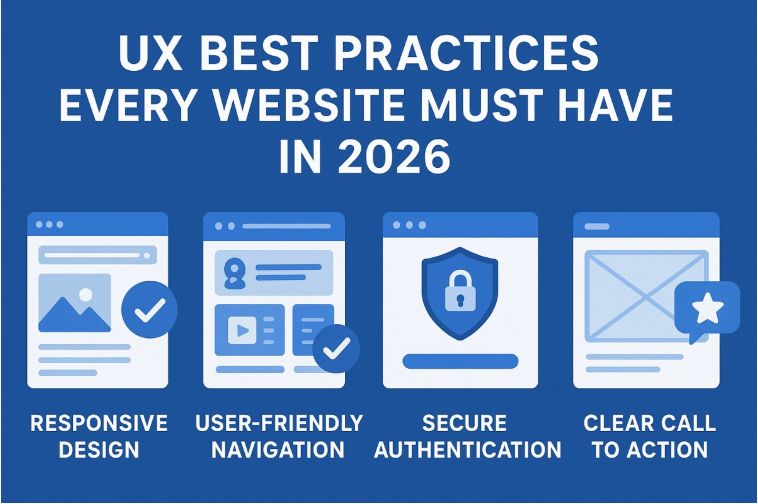
Website Development Best Practices for Better Conversions in 2026 In 2026, having a website is no longer enough. Businesses must focus on creating high‑performing, conversion‑driven websites that deliver exceptional user experiences while meeting modern technical and marketing standards. A website should not only look good but also guide visitors smoothly toward meaningful actions—whether that’s making a purchase, filling out a form, or contacting your business. At Go Link Media, we believe website development should be built around performance, usability, and business growth. This guide explores the best website development practices for better conversions in 2026, helping businesses stay competitive in an evolving digital landscape. 1. User‑First Design Is Non‑Negotiable User experience (UX) remains the foundation of high‑converting websites. In 2026, websites must be designed with real user behavior in mind, not just aesthetics. Key UX principles include: Clear navigation with minimal clicks Logical content hierarchy Easily visible calls‑to‑action (CTAs) Simple layouts that reduce cognitive load A user‑first approach ensures visitors quickly understand what your business offers and how to take action. 2. Mobile‑First Development Is the Standard With mobile traffic dominating global web usage, mobile‑first development is no longer optional. Google continues to prioritize mobile performance when ranking websites. Best practices include: Responsive layouts that adapt to all screen sizes Fast mobile loading times Touch‑friendly buttons and forms Optimized images and fonts Websites developed by Go Link Media focus on seamless performance across mobile, tablet, and desktop to maximize conversions. 3. Website Speed Directly Impacts Conversions In 2026, users expect instant results. Even a one‑second delay can significantly reduce conversion rates. To improve speed: Use optimized images and next‑gen formats Minimize CSS and JavaScript files Implement browser caching Choose reliable hosting Fast websites not only convert better but also perform stronger in search engine rankings. 4. Clear Value Proposition Above the Fold Visitors decide within seconds whether to stay on a website. Your value proposition must be clear immediately. Above‑the‑fold content should answer: What do you offer? Who is it for? Why should users choose you? A strong headline, supportive subtext, and a clear CTA help capture attention and guide users toward conversion. 5. Conversion‑Focused Call‑to‑Action (CTA) Strategy CTAs are critical for guiding user behavior. In 2026, effective CTAs are contextual, visually distinct, and action‑oriented. Examples include: “Get a Free Quote” “Book a Consultation” “Start Your Project Today” Strategically placing CTAs throughout the website—without overwhelming users—significantly increases conversion opportunities. 6. Simplified Forms for Higher Completion Rates Long or complex forms discourage users. Modern websites focus on minimal, user‑friendly forms. Best practices: Ask only for essential information Use smart form validation Break long forms into steps if needed Clearly state what happens after submission Simpler forms lead to higher engagement and better lead generation. 7. Trust Signals Build Confidence and Credibility Trust plays a major role in conversion decisions. In 2026, users are more cautious and expect transparency. Effective trust elements include: Client testimonials and reviews Case studies and success stories Security badges and SSL certificates Clear privacy and data protection policies Websites developed by Go Link Media integrate trust signals naturally to increase credibility and user confidence. 8. SEO‑Friendly Website Architecture A high‑converting website must also be discoverable. SEO‑friendly development ensures your site attracts the right traffic. Key elements include: Clean URL structures Proper heading hierarchy Optimized page titles and meta descriptions Fast crawlability for search engines SEO and website development must work together to drive both traffic and conversions. 9. AI‑Powered Personalization In 2026, personalization is becoming a key differentiator. AI‑driven personalization helps deliver relevant content to different users based on behavior, location, or intent. Examples include: Dynamic CTAs Personalized content recommendations Smart chatbots for instant support Personalized experiences increase engagement and significantly improve conversion rates. 10. Accessibility Is Essential, Not Optional Web accessibility is both a legal and ethical requirement in many regions. Accessible websites also perform better for all users. Best practices include: Readable font sizes and contrast Keyboard navigation support Alt text for images Clear form labels Accessibility improves usability while expanding your potential audience. 11. Integrated Analytics and Conversion Tracking Data‑driven decisions are essential for continuous improvement. In 2026, websites must be built with analytics in mind from day one. Track metrics such as: User behavior and engagement Conversion paths Drop‑off points Page performance At Go Link Media, conversion tracking is integrated into website development to ensure ongoing optimization. 12. Secure and Scalable Website Infrastructure Security is a top concern for users and search engines alike. A secure website builds trust and protects sensitive data. Key security practices: HTTPS encryption Regular updates and patches Secure hosting environments Backup and recovery systems Scalability ensures your website can grow as your business expands. 13. Content That Educates and Converts High‑quality content remains one of the strongest conversion drivers. Content should educate, address pain points, and guide users toward solutions. Effective content includes: Clear service explanations FAQs Blogs and guides Visual content like videos and infographics Content strategy should always align with user intent and business goals. 14. Seamless Integration with Marketing Tools Modern websites must integrate smoothly with marketing tools such as: CRM systems Email marketing platforms Analytics and heat‑mapping tools Automation software These integrations streamline lead management and improve marketing efficiency. 15. Continuous Testing and Optimization A website is never truly “finished.” In 2026, continuous testing is essential for staying competitive. Key optimization practices: A/B testing layouts and CTAs Monitoring user behavior Updating content regularly Improving performance based on insights Ongoing optimization ensures your website continues to convert effectively over time. Why Conversion‑Focused Development Matters in 2026 As competition increases online, businesses can no longer rely on traffic alone. A conversion‑focused website helps: Maximize ROI Reduce marketing costs Improve customer experience Drive sustainable growth By following these best practices, businesses position themselves for long‑term success. Final Thoughts Website development in 2026 is about more than design—it’s about strategy, performance, and conversions. Businesses that invest in user‑centric, fast, secure, and optimized websites will consistently outperform competitors. At Go Link Media, we focus on building websites that don’t just look good—but convert visitors into customers. By applying these best practices,