10 Proven Strategies to Boost Local Search Rankings in Pakistan
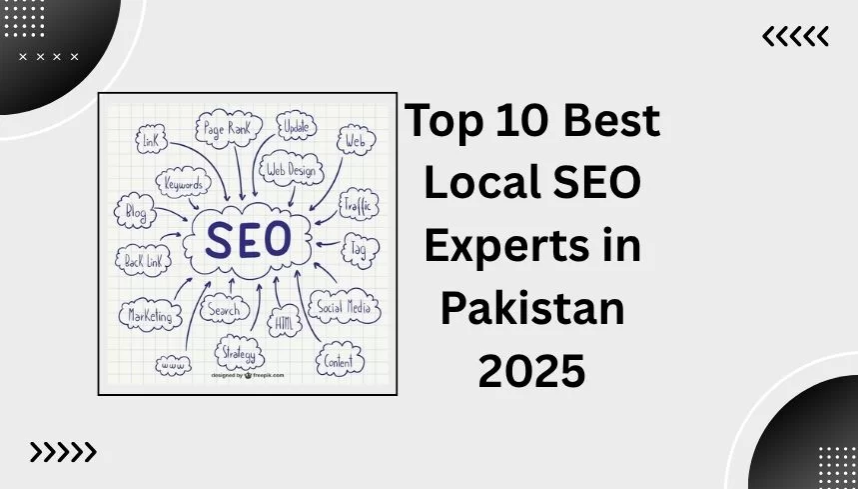
10 Proven Strategies to Boost Local Search Rankings in Pakistan Local search has become one of the most powerful growth drivers for businesses in Pakistan. With more users relying on Google to find nearby services, restaurants, clinics, and agencies, ranking high in local search results is no longer optional—it’s essential. A strong local presence helps businesses attract nearby customers who are actively searching for their products or services. This guide explores 10 proven strategies to boost local search rankings in Pakistan, using smart digital marketing, SEO best practices, and conversion‑focused tactics that deliver long‑term results. Why Local SEO Matters for Pakistani Businesses Local SEO is a critical part of modern online marketing. Whether you run a small shop or a service‑based company, appearing in local search results helps you reach customers who are ready to take action. Benefits of local SEO include: Increased visibility in Google search and Maps Higher website traffic from nearby users More calls, visits, and inquiries Better trust and brand credibility For any online marketing business in Pakistan, local optimization is a must. 1. Optimize Your Google Business Profile Your Google Business Profile is the foundation of local search success. It helps Google understand your business location, services, and relevance. To optimize it: Use accurate business name, address, and phone number Select correct business categories Add high‑quality images Write a clear business description This simple step can significantly improve your local visibility and support your overall digital marketing strategy. 2. Use Location‑Focused Keywords Naturally Targeting local keywords helps search engines connect your business with nearby searches. However, keyword usage must feel natural. Examples include: Service + city name Industry + Pakistan Location‑specific service pages Avoid overusing terms like digital marketing, web marketing, or digital marketing business. Instead, focus on context and relevance. 3. Create Location‑Specific Website Pages A well‑structured digital marketing website should include location‑specific pages that serve local users. These pages should include: Services offered in that city Local testimonials Embedded Google Maps Clear calls to action This approach strengthens local signals and improves rankings for marketing websites targeting Pakistani cities. 4. Optimize Your Website for Mobile Users Most local searches in Pakistan happen on mobile devices. If your website is not mobile‑friendly, users will leave quickly. Mobile optimization includes: Fast loading speed Responsive design Easy navigation Click‑to‑call buttons Mobile optimization also improves user experience, which is a key ranking factor in modern digital media marketing. 5. Build Local Citations and Business Listings Citations are mentions of your business across online directories. Consistent listings help search engines verify your business information. Focus on: Local Pakistani directories Industry‑specific platforms Business listing websites Accurate citations support local SEO and strengthen trust in your digital marketing services. 6. Encourage and Manage Customer Reviews Online reviews influence both rankings and customer decisions. Businesses with positive reviews tend to rank higher in local results. Best practices include: Asking satisfied customers for reviews Responding professionally to all feedback Addressing negative reviews politely Reviews improve credibility and enhance your online marketing presence. 7. Publish Locally Relevant Content Content plays a major role in boosting local search rankings. Publishing helpful and location‑focused content builds authority and relevance. Content ideas include: Local SEO tips for Pakistani businesses Industry updates relevant to your city Case studies and success stories This supports SEO while strengthening your digital marketing business brand. 8. Use Social Media to Support Local Visibility While social media is not a direct ranking factor, it supports local SEO by increasing engagement and brand awareness. Effective social media marketing helps: Drive traffic to your website Increase brand recognition Promote local offers and updates Combining organic content with social media advertising can further amplify local reach. 9. Run Geo‑Targeted Paid Advertising Paid advertising can complement local SEO by driving immediate traffic from specific locations. Local ad strategies include: City‑targeted Google Ads Local service ads Location‑based social media ads When combined with SEO, digital advertising accelerates local growth and conversions. 10. Track Performance Using Digital Marketing Tools To improve local rankings, businesses must track performance and refine strategies regularly. Helpful digital marketing tools allow you to monitor: Local keyword rankings Website traffic User behavior Conversion performance Data‑driven insights help optimize campaigns and improve ROI. How a Digital Marketing Agency Can Help Managing local SEO requires expertise, consistency, and ongoing optimization. Partnering with a professional digital marketing agency ensures your business stays competitive. Agencies assist with: Local SEO audits Content strategy Performance marketing Website optimization This allows businesses to focus on growth while experts handle execution. Integrating Media Marketing for Local Growth Media marketing helps extend your reach across multiple channels, reinforcing your local presence. A unified approach across: Search engines Social platforms Paid campaigns creates consistent messaging and stronger local authority. Common Local SEO Mistakes to Avoid Many businesses fail to rank locally due to avoidable mistakes: Inconsistent business information Keyword stuffing Ignoring mobile optimization Lack of local content Avoiding these errors strengthens your web marketing efforts and improves rankings. Long‑Term Benefits of Local SEO Local SEO is not a one‑time effort—it’s a long‑term investment. Businesses that focus on sustainable optimization enjoy: Steady local traffic Higher conversion rates Stronger brand trust Lower advertising costs This makes local SEO one of the most cost‑effective digital marketing services available. Final Thoughts Boosting local search rankings in Pakistan requires a strategic approach that combines SEO, content, social engagement, and paid campaigns. By applying these 10 proven strategies, businesses can increase visibility, attract nearby customers, and drive consistent growth. With the right digital marketing strategy, tools, and execution, local businesses can dominate search results and stay ahead of competitors.
How to Build a Powerful Brand Online With SEO & Content
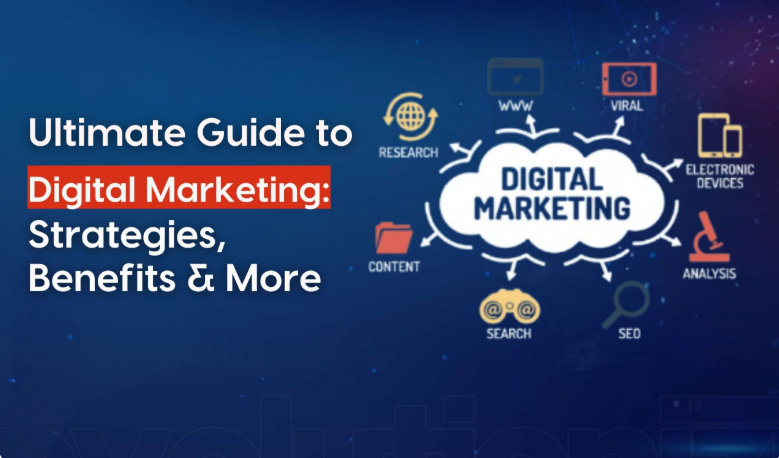
How to Build a Powerful Brand Online With SEO and Content Strategy In today’s competitive digital landscape, building a powerful brand online requires more than just having a website or running ads. Businesses must create a strong digital presence that attracts, engages, and converts audiences consistently. This is where SEO and content strategy play a critical role in shaping brand authority and long‑term growth. By combining smart digital marketing strategies, valuable content, and search engine optimization, businesses can position themselves as trusted leaders in their industry. This guide explains how brands can use SEO and content marketing together to build credibility, visibility, and sustainable online success. Understanding the Role of Digital Marketing in Branding Digital marketing is the foundation of modern brand building. It includes multiple channels such as online marketing, social media marketing, digital advertising, and performance marketing that work together to increase brand awareness. A strong digital brand: Communicates a clear message Maintains consistency across platforms Builds trust with its audience Converts visitors into loyal customers SEO and content strategy ensure your brand is visible at the right time, to the right audience. Why SEO Is Essential for Brand Growth Search engine optimization is not just about rankings—it’s about credibility. When your brand appears consistently in search results, users begin to trust it. SEO helps your brand by: Increasing organic visibility Driving high‑intent traffic Supporting long‑term online marketing goals Strengthening brand authority A well‑optimized digital marketing website allows search engines and users to understand your business clearly. Content Strategy: The Voice of Your Brand Content is how your brand communicates online. Blogs, landing pages, videos, and social posts all contribute to your brand identity. A strong content strategy: Educates your audience Solves real problems Supports SEO goals Builds emotional connection High‑quality content establishes your business as an authority within the digital marketing business ecosystem. Aligning SEO With Content Marketing SEO and content should never operate separately. When aligned, they create a powerful system that supports both visibility and engagement. Key alignment strategies include: Creating content based on search intent Structuring content with proper headings Using keywords naturally Optimizing internal links This approach ensures your marketing websites perform well both for users and search engines. Keyword Research Without Over‑Optimization Effective branding does not rely on keyword repetition. Instead, keywords should guide content creation naturally. Your content can support keywords like: digital marketing online marketing digital marketing strategy digital media marketing web marketing The goal is clarity and relevance—not stuffing keywords into every paragraph. Creating SEO‑Friendly Brand Content SEO‑friendly content focuses on quality and structure. Each piece of content should serve a clear purpose. Best practices include: Writing informative headlines Using clear subheadings Maintaining logical flow Keeping content readable Search engines reward content that provides value, not just keyword density. Building Brand Authority Through Blogging Blogging remains one of the most effective tools for brand building. A consistent blog helps position your business as a reliable information source. Blogging supports: Organic traffic growth Long‑term SEO results Brand storytelling Audience trust Educational blogs about about digital marketing, tools, and strategies help attract and retain the right audience. Using Performance Marketing to Support Brand Visibility While SEO builds long‑term authority, performance marketing and paid advertising help accelerate visibility. These channels include: Social media advertising Google digital ads Retargeting campaigns When combined with strong content, performance marketing reinforces brand recall and drives faster conversions. Social Media Marketing and Brand Consistency Social media plays a major role in modern branding. Platforms like Facebook, Instagram, and LinkedIn allow brands to interact directly with audiences. Effective social media marketing: Maintains consistent messaging Promotes blog content Builds community trust Supports organic and paid growth Consistency across content and visuals strengthens brand recognition. Digital Advertising That Supports Brand Identity Unlike short‑term sales campaigns, brand‑focused digital advertising emphasizes value and credibility. Brand‑focused ads should: Reflect brand tone and messaging Drive users to helpful content Support long‑term brand awareness This approach ensures advertising supports brand building, not just clicks. Choosing the Right Digital Marketing Tools Using the right digital marketing tools helps streamline SEO, content creation, and performance tracking. Popular tools support: Keyword research Content optimization Analytics and reporting Campaign performance Data‑driven decisions help refine your branding strategy over time. Why Businesses Need a Clear Digital Marketing Strategy A successful brand does not grow randomly—it follows a structured digital marketing strategy. A strong strategy defines: Target audience Brand voice Content topics SEO and advertising goals This alignment ensures all marketing efforts support brand growth consistently. Role of a Digital Marketing Agency in Brand Building Partnering with a professional digital marketing agency can help businesses execute complex strategies efficiently. Agencies assist with: SEO planning Content development Online marketing campaigns Performance optimization This allows businesses to focus on growth while experts manage execution. Integrating Media Marketing for Brand Reach Media marketing ensures your brand message reaches a wider audience across multiple channels. It supports: Brand storytelling Audience engagement Multi‑channel visibility A unified approach across platforms strengthens brand identity. Measuring Brand Growth Through Analytics Brand growth should be tracked using data. Key metrics include: Organic traffic growth Engagement rates Conversion performance Brand search volume Tracking helps refine SEO and content strategies for better outcomes. Long‑Term Benefits of SEO‑Driven Branding Brands built with SEO and content strategy benefit from: Sustainable traffic Higher trust levels Lower marketing costs Stronger online authority This long‑term approach delivers consistent value compared to short‑term tactics. Final Thoughts Building a powerful brand online requires more than visibility—it requires trust, consistency, and value. By combining SEO with a well‑planned content strategy, businesses can create meaningful connections with their audience while strengthening long‑term growth. When digital marketing, content, and SEO work together, brands stand out naturally in crowded online spaces. With the right strategy, tools, and execution, businesses can transform their online presence into a powerful digital brand.
10 Proven Strategies to Boost Local Search Rankings in Pakistan
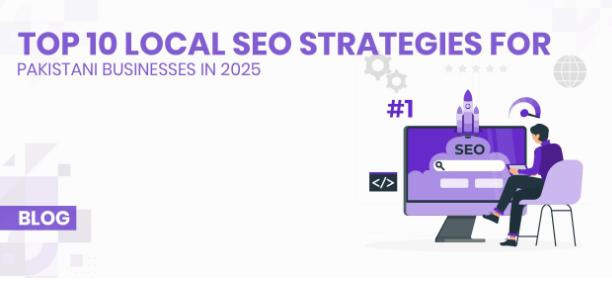
10 Proven Strategies to Boost Local Search Rankings in Pakistan Local search has become one of the most powerful ways for businesses in Pakistan to attract nearby customers. Whether you run a restaurant in Lahore, a clinic in Karachi, or a service‑based business in Islamabad, appearing in local search results can directly impact foot traffic, calls, and sales. With more people searching online for “near me” services, Google prioritizes businesses that are optimized for local intent. In this guide, we’ll explore 10 proven strategies to boost local search rankings in Pakistan, helping your business stand out in an increasingly competitive digital landscape. 1. Optimize Your Google Business Profile (GBP) Your Google Business Profile (formerly Google My Business) is the foundation of local SEO. It plays a critical role in how your business appears in Google Maps and local search results. To optimize it effectively: Use your exact business name (no keyword stuffing) Select the correct primary and secondary categories Add accurate address, phone number, and business hours Upload high‑quality photos of your location, team, and services Write a clear, locally relevant business description For Pakistani businesses, ensuring correct city and area names (e.g., DHA Lahore, Gulshan‑e‑Iqbal Karachi) improves local visibility. 2. Maintain Consistent NAP Across the Web NAP stands for Name, Address, and Phone Number. Consistency across all platforms is crucial for building trust with search engines. Make sure your NAP details are identical on: Your website Google Business Profile Social media pages Local directories Business listing websites in Pakistan Even small differences—such as “Rd” vs “Road”—can affect local rankings negatively. 3. Target Location‑Based Keywords Naturally Local SEO is not about stuffing city names everywhere; it’s about relevance and intent. Use location‑based keywords naturally within your content. Examples: Web design services in Lahore Digital marketing agency in Karachi SEO services for Islamabad businesses Include these keywords in: Page titles Headings Service pages Meta descriptions Blog content Always prioritize readability and user experience over repetition. 4. Create Location‑Specific Landing Pages If your business serves multiple cities in Pakistan, create dedicated landing pages for each location. Each page should include: City‑specific content Local services offered Area‑based testimonials Embedded Google Map Unique headings and descriptions Avoid duplicating content across locations—customization is key to ranking locally. 5. Collect and Manage Online Reviews Customer reviews significantly influence local rankings and purchasing decisions. Google views reviews as a trust signal. Encourage satisfied customers to leave reviews on: Google Business Profile Facebook Relevant local platforms Respond to reviews professionally—both positive and negative. This shows credibility and active business engagement, which search engines favor. 6. Optimize Your Website for Mobile Users In Pakistan, the majority of local searches come from mobile devices. A mobile‑friendly website is no longer optional—it’s essential. Ensure your website: Loads quickly on mobile Has responsive design Uses readable fonts and buttons Displays contact details clearly Google prioritizes mobile‑optimized websites for local search results. 7. Build Local Citations and Directory Listings Local citations are mentions of your business across online directories. These help confirm your business’s legitimacy and location. Focus on: Pakistani business directories Industry‑specific listings Local chambers of commerce Startup and SME platforms Always ensure your NAP details are consistent across all listings. 8. Publish Locally Relevant Content Content marketing plays a strong role in local SEO. Publishing content that addresses local needs and interests helps you connect with your audience. Examples include: Guides for local customers Industry updates in Pakistan Local case studies City‑based FAQs This approach builds authority while naturally supporting local keyword relevance. 9. Earn Local Backlinks Backlinks from reputable local websites signal trust and relevance to search engines. Ways to earn local backlinks: Collaborate with local businesses Sponsor local events Get featured in Pakistani blogs or news sites Partner with community organizations Quality matters more than quantity—focus on relevance and credibility. 10. Track Performance and Optimize Regularly Local SEO is an ongoing process. Regular monitoring helps you understand what’s working and where improvements are needed. Track: Local keyword rankings Google Business Profile insights Website traffic by location Calls, directions, and form submissions Use this data to refine your strategy and stay ahead of competitors in your local market. Why Local SEO Matters for Pakistani Businesses Pakistan’s digital economy is growing rapidly, with more consumers relying on online searches to find nearby services. Local SEO allows businesses to: Reach ready‑to‑buy customers Compete with larger brands Increase store visits and inquiries Build trust within their community Businesses that invest in local search optimization consistently outperform those that rely solely on traditional marketing. Final Thoughts Boosting local search rankings in Pakistan requires a mix of technical optimization, high‑quality content, and local engagement. By following these 10 proven strategies, businesses can improve visibility, attract more customers, and build long‑term digital growth. Local SEO is not a one‑time task—it’s an ongoing investment that delivers sustainable results when done correctly.
Top SEO Services in Pakistan 2025

Top SEO Services in Pakistan 2025: Boost Your Website Ranking In today’s digital world, having an online presence is no longer optional for businesses; it’s essential. With millions of websites vying for attention, standing out requires more than just basic design or content. To climb to the top of search engine results and get noticed by potential customers, you need effective Search Engine Optimization (SEO). If you’re looking for SEO services in Pakistan to improve your website’s ranking in 2025, you’re in the right place. Why SEO is Critical for Businesses in Pakistan Search engines like Google have become the primary way people search for products and services. Research shows that nearly 93% of online experiences begin with a search engine. So, if your website doesn’t appear on the first page of search results, you’re missing out on significant traffic and business opportunities. For businesses in Pakistan, the need for specialized SEO services is more pressing than ever. With the rise of local competition and global digital trends, hiring a professional SEO company can provide the expertise needed to improve your site’s visibility, drive organic traffic, and convert visitors into customers. What Makes SEO Services in Pakistan Different? SEO services in Pakistan are uniquely tailored to meet local market demands while adhering to global SEO standards. Pakistan has its distinct set of challenges, including local competition, cultural nuances, and language preferences. Therefore, a local SEO Pakistan strategy that works for businesses in Karachi might not be effective for a company in Lahore or Islamabad. This is where the role of a reliable SEO agency becomes crucial. Whether you need to target SEO experts in Lahore or find an SEO agency in Karachi, local knowledge combined with professional SEO expertise can give your business the edge it needs in a competitive marketplace. Types of SEO Services You Can Get in Pakistan The SEO landscape is dynamic and multifaceted, meaning there is no one-size-fits-all solution. Here’s an overview of the top SEO services you can expect from a professional SEO company in Pakistan. 1. On-Page SEO On-page SEO involves optimizing various elements on your website to help it rank higher on search engines. This includes keyword optimization, meta tags, title tags, headers, image alt texts, and URL structures. With local SEO Pakistan strategies, on-page SEO also includes local-specific keywords to help you target customers in specific regions, such as Lahore, Islamabad, or Karachi. 2. Off-Page SEO Off-page SEO refers to activities that occur outside your website to improve its authority and trustworthiness. One of the most significant off-page SEO techniques is link building—getting quality backlinks from reputable websites. A professional SEO company can use various strategies to generate organic backlinks, improving your site’s credibility and search engine rankings. 3. Content Creation and Optimization Content is the backbone of SEO. Whether it’s blog posts, articles, landing pages, or product descriptions, high-quality content not only helps your audience understand your products and services but also helps improve your ranking. An SEO agency in Karachi or Lahore can create relevant, keyword-rich content for your website that both search engines and users find valuable. 4. Technical SEO Technical SEO is a specialized area that focuses on the backend of your website. It includes improving site speed, mobile responsiveness, XML sitemaps, schema markup, and more. Proper technical SEO ensures that search engine crawlers can easily index and understand your website, leading to better rankings. 5. Local SEO If you are targeting a specific city or region in Pakistan, local SEO is vital. For example, if you’re a restaurant in Karachi or a fashion store in Lahore, optimizing your website for local search terms, Google My Business listings, and local backlinks will help you appear in relevant local search results. This is especially important for businesses targeting customers who are actively looking for services nearby. 6. E-commerce SEO For businesses selling products online, e-commerce SEO services focus on improving your online store’s visibility. This includes optimizing product pages, improving category listings, and ensuring that your store is search-engine friendly. An affordable SEO Pakistan service will ensure that your e-commerce website is fully optimized to attract and convert potential customers. 7. SEO Audits Regular SEO audits are essential to assess the health of your website. A professional SEO agency will perform in-depth SEO audits, analyze data, identify issues, and suggest improvements. This helps businesses understand what’s working and what’s not, allowing them to stay ahead of their competition. Why Choose SEO Services in Pakistan? Pakistan’s SEO market has seen significant growth over the last decade, with a surge in local talent and expertise. Here’s why many businesses are opting for SEO services Pakistan in 2025. 1. Affordability Compared to Western markets, affordable SEO Pakistan services provide great value for businesses looking to maximize their ROI. Whether you’re a startup or a large corporation, Pakistan offers competitive prices without compromising on quality. 2. Local Expertise Local SEO experts in Pakistan are familiar with regional trends, culture, and language preferences. Whether you’re focusing on customers in Karachi or Lahore, these experts can help you implement strategies that resonate with local users. 3. Custom Solutions A good SEO agency in Karachi or SEO experts in Lahore will offer custom SEO strategies that fit your business goals. Unlike generic packages, these services are designed around your specific needs, audience, and industry. 4. Fast Results SEO takes time, but experienced agencies know how to implement changes quickly while adhering to Google’s guidelines. With the right approach, you can expect to see improvements in your search engine rankings in a reasonable timeframe. 5. Comprehensive Service Many SEO agencies in Pakistan offer end-to-end services, including website development, content marketing, social media marketing, and more. This comprehensive approach ensures your online presence is cohesive and strategically aligned with your goals. How to Choose the Best SEO Agency in Pakistan? When it comes to choosing an SEO agency or experts in Pakistan, there are several factors to consider. Here are some tips to help you make an
New Website SEO Checklist: How to Get Indexed & Ranked

SEO Checklist for New Websites (Step-by-Step Guide) Launching a new website is exciting, but without proper search engine optimization, even the most beautiful site can remain invisible. SEO is not a one-time task; it’s a structured process that begins before your website goes live and continues long after. If you follow the right steps from day one, you give your site a strong foundation for long-term organic growth. This step-by-step SEO checklist is designed specifically for new websites, helping you build visibility, attract the right audience, and improve search performance without relying on shortcuts or outdated tactics. 1. Set Clear Goals Before You Start Before touching technical settings or writing content, define what success looks like for your website. Ask yourself: Is the goal to generate leads, sales, or inquiries? Are you targeting local customers, national traffic, or a global audience? What actions should visitors take on your site? Clear goals help shape your content strategy, page structure, and tracking setup. SEO works best when it supports business objectives, not when it operates in isolation. 2. Choose the Right Domain and Hosting Your domain name and hosting provider play a subtle but important role in SEO. Best practices: Choose a domain that is easy to remember and brand-friendly. Avoid excessive hyphens or confusing spellings. Select a reliable hosting provider with good uptime and fast servers. Enable HTTPS by installing an SSL certificate. A secure, stable, and fast website builds trust with both users and search engines. 3. Perform Smart Keyword Research (Without Overdoing It) Keyword research is about understanding search intent, not just finding popular terms. Instead of focusing only on high-volume phrases: Look for long-tail search queries related to your niche. Analyze what your competitors are ranking for. Identify questions your audience is actively asking. Group related terms by topic rather than treating them separately. This approach helps you create pages that feel natural and informative rather than forced or repetitive. 4. Plan Your Website Structure Strategically A well-organized website improves crawlability and user experience. SEO-friendly structure tips: Keep your navigation simple and logical. Limit important pages to three clicks from the homepage. Use clear category and subcategory paths. Create separate pages for distinct services or topics. A clean structure helps search engines understand content relationships and makes it easier for users to find what they need. 5. Optimize Core Pages First For new websites, focus on optimizing essential pages before publishing large volumes of content. Key pages to optimize: Homepage About page Services or product pages Contact page Blog main page Each page should have: A clear purpose Unique page titles and descriptions Relevant internal links Clear calls to action Avoid duplicating content across multiple pages, as this weakens ranking potential. 6. Write High-Quality, Original Content Content is the backbone of organic visibility. For new websites, quality matters far more than quantity. Content best practices: Write for people first, search engines second. Cover topics thoroughly but naturally. Use clear headings and short paragraphs. Answer real user questions. Avoid automated or copied text. Search engines reward pages that provide value, clarity, and depth rather than pages filled with repetitive phrases. 7. Optimize Titles, Headings, and Meta Data On-page elements help search engines understand what each page is about. Focus on: Writing compelling page titles that reflect real user intent. Using descriptive meta descriptions to improve click-through rates. Structuring content with proper heading hierarchy (H1, H2, H3). Keeping headings natural and informative. Think of meta data as your website’s first impression in search results. 8. Improve Website Speed and Performance Slow websites lose users and rankings. To enhance performance: Compress images without sacrificing quality. Use modern image formats where possible. Enable browser caching. Minimize unnecessary scripts and plugins. Choose lightweight themes and frameworks. A faster website improves engagement, reduces bounce rates, and sends positive signals to search engines. 9. Ensure Mobile-Friendly Design Most users now browse on mobile devices, making mobile usability a ranking factor. Checklist for mobile optimization: Responsive layout that adapts to all screen sizes. Readable font sizes without zooming. Buttons spaced for easy tapping. No intrusive pop-ups that block content. A smooth mobile experience improves both visibility and conversions. 10. Set Up Essential SEO Tools Tracking performance from the beginning helps you make data-driven decisions. Recommended tools: Google Search Console for indexing and search insights. Google Analytics to track traffic and user behavior. Bing Webmaster Tools for additional visibility. A keyword tracking or site audit tool. These tools allow you to monitor growth, identify issues, and refine your strategy over time. 11. Create and Submit an XML Sitemap An XML sitemap helps search engines discover and crawl your pages more efficiently. Steps to follow: Generate a sitemap using your CMS or SEO plugin. Include only important, indexable pages. Submit it to search engine webmaster tools. Update the sitemap when new pages are added. This ensures your content gets indexed faster, especially on new websites. 12. Optimize URLs for Clarity Clean URLs improve both usability and indexing. Best practices: Keep URLs short and readable. Use words instead of numbers or symbols. Avoid unnecessary parameters. Maintain consistency across the site. Clear URLs help users understand page content before clicking. 13. Build a Strong Internal Linking System Internal links guide users and search engines through your website. Effective internal linking: Connect related pages naturally. Use descriptive anchor text. Highlight important pages more frequently. Avoid excessive linking on a single page. A thoughtful internal linking strategy distributes authority and improves page discoverability. 14. Focus on Local Optimization (If Applicable) If your business serves a specific area, local SEO should be part of your checklist. Key actions: Create and optimize a Google Business Profile. Use consistent business information across platforms. Add location-specific content where relevant. Encourage genuine customer reviews. Local visibility can drive highly targeted traffic and leads. 15. Secure Your Website Properly Website security affects trust and performance. Security essentials: Keep software, themes, and plugins updated. Use strong passwords and access controls. Install security monitoring tools. Regularly back up your
Seo audit tool: The Best SEO Tools You Must Use in 2025 for Better Rankings
The Best SEO Tools You Must Use in 2025 for Better Rankings A reliable Seo audit tool has become more essential than ever as businesses enter 2025 with increasing competition and rapidly evolving search engine algorithms. To secure stronger rankings and consistent organic traffic, brands need advanced SEO tools designed to analyze technical performance, optimize content, and uncover new opportunities. Whether you’re a digital marketer, agency owner, or small business entrepreneur, choosing the right tools can drastically transform the effectiveness of your SEO strategy. With search engines becoming smarter and user behavior shifting toward mobile, voice search, and AI-driven experiences, the tools you use today will determine your success tomorrow. This comprehensive guide breaks down the top SEO tools you should rely on in 2025 to stay ahead of your competitors. 1. Advanced Keyword Research Tools Keyword research remains the foundation of any strategy. In 2025, keyword tools have become more refined, incorporating AI-generated suggestions, user intent analysis, and SERP behavioral predictions. These tools help uncover: Long-tail keywords Competitor ranking gaps Trending search terms Audience-specific phrases With the right SEO tools, you can target more accurate keywords that match user intent instead of relying solely on search volume. 2. AI-Powered Content Optimization Tools Content drives everything—from SEO rankings to customer engagement. New AI-driven tools now analyze readability, tone, on-page structure, and keyword distribution. They help ensure that every piece of content is optimized to meet search engine requirements and user expectations. These tools often evaluate: Keyword optimization Meta tag improvements Internal linking suggestions Content depth and structure Having these insights makes it easier to produce highly optimized content that ranks better and engages readers. 3. SERP Tracking and Monitoring Tools Search engine rankings fluctuate daily. That’s why businesses need tools capable of tracking performance across desktop, mobile, and local searches. Modern rank-tracking platforms also incorporate AI predictions, alerting users about potential ranking drops or opportunities. These tools monitor: Daily keyword rankings Competitor movements Featured snippet appearances Local pack positions Using such tools ensures you’re always aware of your standing and can react quickly to algorithm shifts. 4. Backlink Analysis and Outreach Tools Backlinks remain one of the strongest ranking factors in 2025, but the focus has shifted toward gaining high-quality, industry-relevant links. Tools specializing in backlink audits and outreach help brands build cleaner, more authoritative profiles. Backlink tools provide insights on: Toxic links Competitor link profiles Anchor text distribution New link opportunities These platforms also streamline outreach, helping marketers secure backlinks with higher efficiency. 5. Technical SEO Tools for Improved Site Performance Technical SEO is often the backbone of search engine success. Tools that crawl websites help identify issues related to: Site speed Mobile usability JavaScript rendering Indexing errors Broken links This is where an advanced audit tool becomes invaluable. With clean code, optimized performance, and a properly structured site, you significantly boost your chances of ranking higher. 6. Website Crawling Tools for Deeper Insights Crawling tools simulate search engine bots and give you an internal look at how search engines view your website. They identify structural issues that even manual reviews often miss. These tools analyze: Internal linking Redirect chains Duplicate content Sitemap issues Some businesses even refer to these as my tool when they rely heavily on a single crawler for their day-to-day optimization tasks. 7. Analytics Platforms for Data-Driven SEO Decisions With data becoming more accessible, analytics platforms have grown more advanced. In 2025, they go beyond traffic numbers and provide deep insights into user behavior and intent. Modern analytics helps you track: User engagement Conversion paths Heatmaps Traffic sources Demographics Data-backed decision-making ensures more effective and targeted SEO strategies. 8. Local SEO Tools for Geo-Targeted Optimization Local intent searches continue to grow, making local SEO tools essential for businesses targeting nearby customers. These tools manage listings, track local rankings, and analyze customer reviews. Key features include: Google Business Profile optimization Local rank tracking Citation management Review monitoring Local SEO tools make it easier for small businesses to compete with national brands in nearby markets. 9. AI-Driven Competitor Analysis Tools Understanding your competition is one of the smartest ways to improve your SEO strategy. AI-driven competitor tools evaluate what other websites are doing and help you identify opportunities to outperform them. These tools provide data on: Competitor keyword strategies Backlink profiles Content gaps Ranking patterns By analyzing these insights, you can refine your content and outperform competing brands. 10. Full-Suite SEO Platforms For businesses that want everything in one place, full-suite SEO platforms offer a complete set of tools including keyword research, technical auditing, reporting, backlink monitoring, and SERP analysis. These tools are ideal for: Agencies Large companies Businesses managing multiple websites They save time, streamline workflows, and offer an all-in-one approach to search optimization. Many of these platforms also integrate new features like Secondary Keyword 4, AI content scoring, and predictive analytics. Midpoint Mention of the Primary Keyword With new algorithms, competitive landscapes, and advanced AI-driven technologies, using a reliable Seo audit tool has become more than a recommendation—it’s a necessity. The ability to detect errors early, refine performance, and monitor SEO metrics is what sets successful websites apart from those that struggle to stay visible. Final Thoughts The SEO world is evolving faster than ever. To stay ahead in 2025, businesses must adopt the right tools, leverage automation, and analyze their performance with precision. Whether you’re optimizing content, tracking rankings, analyzing backlinks, or managing local SEO, the tools you choose will shape your results. SEO success comes from consistency, adaptability, and the ability to make data-driven decisions. By equipping yourself with the best tools, you prepare your website for long-term success, improved visibility, and stronger rankings. To truly maximize performance and stay competitive, make sure a powerful Seo audit tool remains at the core of your strategy.