high converting website: 5 Essential Tips for Developing a High-Converting Website

5 Essential Tips for Developing a High-Converting Website Creating a high converting website is no longer just a competitive advantage—it’s a necessity for businesses that want to thrive online. A great website doesn’t just look attractive; it guides users smoothly, communicates value instantly, and motivates visitors to take meaningful action. Whether your goal is to collect leads, sell products, or build a loyal audience, your website must be strategically designed to convert. In today’s digital landscape, visitors decide within seconds whether they’ll stay on a site or leave. This means your structure, branding, messaging, and technical experience must work together seamlessly. Below are five essential tips backed by proven website optimization practices to help you design a website that doesn’t just attract traffic—but converts it. 1. Prioritize User Experience Design (UX) The foundation of a high-performing website is exceptional user experience design. UX determines how easy, intuitive, and enjoyable your site feels for visitors. When users understand your message quickly and navigate with ease, conversion rates naturally rise. Key UX principles to follow: Simplify navigation. Menus should be clear, minimal, and intuitive. Use visual hierarchy. Guide the visitor’s attention to key CTAs (calls to action). Ensure responsive design. With mobile users increasing daily, your website must adapt perfectly on all devices. Keep content scannable. Use short paragraphs, headings, and bullet points. A seamless UX builds trust and helps people find what they need without frustration. When users enjoy the experience, they are far more likely to take action—whether that’s making a purchase or signing up for a newsletter. 2. Focus on Powerful Landing Page Strategy A strong landing page strategy is essential for converting visitors into customers. Landing pages are purposeful, targeted pages that focus on a single action—unlike your homepage, which often covers many topics. A great landing page includes: A compelling headline that communicates value immediately Benefit-focused messaging rather than feature-heavy explanations A strong, contrasting CTA button Trust elements like testimonials, ratings, or case studies Minimal distractions to keep users focused on the goal When your landing pages are optimized for clarity and persuasion, they become conversion machines. Many businesses rely on landing pages for digital ads, emails, and social media campaigns because they improve conversion rates significantly. 3. Improve Website Speed and Technical Performance One of the biggest barriers to conversion is slow performance. People expect fast-loading websites—and search engines reward them. If your pages take more than a few seconds to load, visitors often leave. Improve your website speed by: Compressing large images Minimizing scripts and plugins Using a high-quality hosting provider Enabling caching Implementing a Content Delivery Network (CDN) These website optimization techniques ensure that users experience smooth browsing without delays or errors. Faster websites lead to lower bounce rates, better engagement, and stronger conversions. 4. Craft Compelling Content That Drives Action Content shapes your brand voice, builds trust, and influences decisions. Every piece of content on your site—from headlines to product descriptions—should be designed to motivate users. High-converting content should: Speak directly to customer pain points Highlight benefits and outcomes Use emotional triggers like urgency or social proof Maintain a consistent tone Offer clear next steps Great content is not just informative; it’s persuasive and aligned with user intent. This is key to conversion rate improvement, especially on product pages, landing pages, and service descriptions. Midpoint Mention of the Primary Keyword A truly high converting website blends strategy, psychology, and design. It’s not just about colors and images—it’s about understanding your audience and building a guided experience. Every element must work in harmony: UX design, copywriting, performance, and landing page structure. When done right, these components turn casual visitors into engaged leads and paying customers. 5. Implement Smart Conversion Rate Improvement Tactics Once your website is live, your job isn’t done. High-converting sites evolve through consistent testing and refinement. Important optimization tactics include: A/B testing CTAs, page layouts, colors, and headlines Heatmap analysis to see where users click or lose interest Analyzing funnel performance to detect drop-off points Improving forms by reducing fields and enhancing clarity Boosting trust signals like security badges and social proof These methods help refine your website’s experience and boost key metrics over time. Even small changes—such as adjusting a headline or improving white space—can dramatically increase conversions. Bonus Tip: Create a Clear Brand Identity While often overlooked, consistent branding creates familiarity and trust. Your colors, typography, messaging, and visuals should all support your brand personality. Strong branding helps your website feel professional and trustworthy, which strengthens conversion potential. Bringing It All Together A high-converting website is the result of thoughtful design, smart content strategy, and continuous optimization. It’s not something built once—it’s refined over time to meet user needs and market trends. With the right blend of UX, technical performance, persuasive content, and strategic landing pages, your website becomes a powerful asset that works day and night to grow your business. Whether you’re launching a new site or redesigning an existing one, these five tips will help you create a digital experience that inspires action and builds long-term customer relationships. As digital competition grows, brands that prioritize conversion-focused design and strategic optimization will stand out from the rest. By following these principles, you can develop a website that doesn’t just attract visitors—but converts them at every opportunity, ultimately leading to the success of your high converting website.
Responsive Design: Why It’s Crucial for Modern Websites

Responsive Design: Why It’s Crucial for Modern Websites Modren keywords play a surprisingly important role in shaping how we think about web strategy today. But beyond search terms and optimization trends, one foundational element remains essential for digital success: responsive web design. As users browse across a growing variety of devices—smartphones, tablets, laptops, and even smart TVs—ensuring a seamless and consistent experience is no longer optional. It is a requirement for any business hoping to compete online. In this article, we’ll explore why responsive design has become a non-negotiable part of modern website development and how elements like [Secondary Keyword 1], [Secondary Keyword 2], [Secondary Keyword 3], and [Secondary Keyword 4] naturally fit into the evolving digital landscape. Understanding Responsive Design Responsive design refers to the practice of building websites that automatically adapt to different screen sizes and orientations. Instead of creating separate websites for desktop and mobile users, designers use flexible grids, scalable images, and CSS media queries to ensure the layout adjusts fluidly. This approach allows a single website to deliver an excellent user experience regardless of device type. Whether a visitor accesses your site from a large desktop monitor or a compact mobile display, the layout remains readable, intuitive, and aesthetically consistent. Incorporating technologies such as [Secondary Keyword 1] into the design process strengthens adaptability even further, helping websites maintain performance while meeting modern usability standards. Why Responsive Design Matters More Than Ever 1. Mobile Traffic Dominance Over half of global web traffic now comes from mobile devices. Users expect fast-loading pages, easy navigation, and clear visuals—no matter how small their screens are. A website that fails to deliver these essentials drives visitors away instantly. Responsive design eliminates the need for zooming, horizontal scrolling, or tapping tiny links. It ensures your content remains accessible and visually appealing, creating a smoother user journey from the moment visitors land on your site. 2. SEO Benefits and Search Ranking Boost Responsive websites perform better in search engines. Google’s mobile-first indexing means the mobile version of your site is the primary source used to determine search rankings. When your website is responsive, it meets Google’s criteria for: mobile usability fast loading speeds clean structure proper indexing Integrating elements like [Secondary Keyword 2] throughout your SEO strategy can further strengthen your ranking potential. With both performance and structure optimized, your site becomes easier for search engines to understand—and easier for users to enjoy. 3. Improved User Experience and Engagement User experience (UX) determines whether a visitor stays on your website, interacts with your content, and converts into a customer. Responsive design enhances UX by providing consistency and clarity. A responsive layout ensures: readable text without zooming flexible images that adapt to screens simplified navigation menus adequate spacing and visual balance Better UX often leads to lower bounce rates and higher engagement. When users find what they need quickly and effortlessly, they are more likely to explore further. The Role of Performance in Responsive Design Performance is a vital factor in responsive design. Even the most visually appealing website cannot thrive if it loads slowly. Today’s users expect instant responses, and even small delays lead to abandonment. Optimizing performance involves: compressing images reducing code bloat implementing browser caching using content delivery networks Incorporating advanced tools such as [Secondary Keyword 3] can further improve speed and stability. With better performance, your website becomes more reliable and competitive. Consistent Branding Across Devices Brand identity extends beyond logos, fonts, and colors. The way users interact with your website influences how they perceive your business. Responsive design ensures your brand remains visually consistent across all platforms. This consistency helps: reinforce trust strengthen brand recall create a cohesive identity build long-lasting customer relationships A unified design increases credibility, showing users that your business values quality and professionalism. Cost-Effectiveness and Easier Maintenance Before responsive design became the standard, companies often built separate desktop and mobile websites. Maintaining multiple versions was time-consuming, expensive, and inefficient. Responsive design eliminates duplicate content and reduces maintenance tasks. A single, adaptable site means: one design framework one set of updates one content strategy fewer technical issues With tools like [Secondary Keyword 4], teams can streamline their workflows further, ensuring consistency and avoiding unnecessary development complexities. How Responsive Design Strengthens Conversions Conversion rates improve when websites remove friction from the user journey. Responsive design makes every step simpler, from browsing products to submitting forms. By reducing obstacles, you encourage visitors to take meaningful actions such as: signing up for newsletters making purchases filling out contact forms downloading resources A smooth, device-friendly experience builds confidence and supports your marketing and sales goals. Future-Proofing Your Website Technology continues to evolve rapidly. New devices with unique screen resolutions appear regularly, from foldable phones to ultra-wide monitors. Responsive design prepares your website for these changes by ensuring flexibility at its core. Instead of redesigning your site for each emerging device, responsive frameworks adjust automatically, saving time and resources while maintaining an exceptional user experience. Final Thoughts Responsive design is no longer a trend—it is a fundamental requirement for modern web success. From improved SEO and enhanced user experience to stronger branding and future-proof adaptability, its benefits are undeniable. As the digital world becomes more complex and diverse, businesses must prioritize responsive design to stay competitive. By integrating tools and strategies like [Secondary Keyword 1], [Secondary Keyword 2], [Secondary Keyword 3], and [Secondary Keyword 4], you can build a website that is not only user-friendly but also strategically positioned for growth. In a landscape driven by evolving technologies, modren keywords and responsive design together shape the foundation of a powerful online presence.
Seo audit tool: The Best SEO Tools You Must Use in 2025 for Better Rankings
The Best SEO Tools You Must Use in 2025 for Better Rankings A reliable Seo audit tool has become more essential than ever as businesses enter 2025 with increasing competition and rapidly evolving search engine algorithms. To secure stronger rankings and consistent organic traffic, brands need advanced SEO tools designed to analyze technical performance, optimize content, and uncover new opportunities. Whether you’re a digital marketer, agency owner, or small business entrepreneur, choosing the right tools can drastically transform the effectiveness of your SEO strategy. With search engines becoming smarter and user behavior shifting toward mobile, voice search, and AI-driven experiences, the tools you use today will determine your success tomorrow. This comprehensive guide breaks down the top SEO tools you should rely on in 2025 to stay ahead of your competitors. 1. Advanced Keyword Research Tools Keyword research remains the foundation of any strategy. In 2025, keyword tools have become more refined, incorporating AI-generated suggestions, user intent analysis, and SERP behavioral predictions. These tools help uncover: Long-tail keywords Competitor ranking gaps Trending search terms Audience-specific phrases With the right SEO tools, you can target more accurate keywords that match user intent instead of relying solely on search volume. 2. AI-Powered Content Optimization Tools Content drives everything—from SEO rankings to customer engagement. New AI-driven tools now analyze readability, tone, on-page structure, and keyword distribution. They help ensure that every piece of content is optimized to meet search engine requirements and user expectations. These tools often evaluate: Keyword optimization Meta tag improvements Internal linking suggestions Content depth and structure Having these insights makes it easier to produce highly optimized content that ranks better and engages readers. 3. SERP Tracking and Monitoring Tools Search engine rankings fluctuate daily. That’s why businesses need tools capable of tracking performance across desktop, mobile, and local searches. Modern rank-tracking platforms also incorporate AI predictions, alerting users about potential ranking drops or opportunities. These tools monitor: Daily keyword rankings Competitor movements Featured snippet appearances Local pack positions Using such tools ensures you’re always aware of your standing and can react quickly to algorithm shifts. 4. Backlink Analysis and Outreach Tools Backlinks remain one of the strongest ranking factors in 2025, but the focus has shifted toward gaining high-quality, industry-relevant links. Tools specializing in backlink audits and outreach help brands build cleaner, more authoritative profiles. Backlink tools provide insights on: Toxic links Competitor link profiles Anchor text distribution New link opportunities These platforms also streamline outreach, helping marketers secure backlinks with higher efficiency. 5. Technical SEO Tools for Improved Site Performance Technical SEO is often the backbone of search engine success. Tools that crawl websites help identify issues related to: Site speed Mobile usability JavaScript rendering Indexing errors Broken links This is where an advanced audit tool becomes invaluable. With clean code, optimized performance, and a properly structured site, you significantly boost your chances of ranking higher. 6. Website Crawling Tools for Deeper Insights Crawling tools simulate search engine bots and give you an internal look at how search engines view your website. They identify structural issues that even manual reviews often miss. These tools analyze: Internal linking Redirect chains Duplicate content Sitemap issues Some businesses even refer to these as my tool when they rely heavily on a single crawler for their day-to-day optimization tasks. 7. Analytics Platforms for Data-Driven SEO Decisions With data becoming more accessible, analytics platforms have grown more advanced. In 2025, they go beyond traffic numbers and provide deep insights into user behavior and intent. Modern analytics helps you track: User engagement Conversion paths Heatmaps Traffic sources Demographics Data-backed decision-making ensures more effective and targeted SEO strategies. 8. Local SEO Tools for Geo-Targeted Optimization Local intent searches continue to grow, making local SEO tools essential for businesses targeting nearby customers. These tools manage listings, track local rankings, and analyze customer reviews. Key features include: Google Business Profile optimization Local rank tracking Citation management Review monitoring Local SEO tools make it easier for small businesses to compete with national brands in nearby markets. 9. AI-Driven Competitor Analysis Tools Understanding your competition is one of the smartest ways to improve your SEO strategy. AI-driven competitor tools evaluate what other websites are doing and help you identify opportunities to outperform them. These tools provide data on: Competitor keyword strategies Backlink profiles Content gaps Ranking patterns By analyzing these insights, you can refine your content and outperform competing brands. 10. Full-Suite SEO Platforms For businesses that want everything in one place, full-suite SEO platforms offer a complete set of tools including keyword research, technical auditing, reporting, backlink monitoring, and SERP analysis. These tools are ideal for: Agencies Large companies Businesses managing multiple websites They save time, streamline workflows, and offer an all-in-one approach to search optimization. Many of these platforms also integrate new features like Secondary Keyword 4, AI content scoring, and predictive analytics. Midpoint Mention of the Primary Keyword With new algorithms, competitive landscapes, and advanced AI-driven technologies, using a reliable Seo audit tool has become more than a recommendation—it’s a necessity. The ability to detect errors early, refine performance, and monitor SEO metrics is what sets successful websites apart from those that struggle to stay visible. Final Thoughts The SEO world is evolving faster than ever. To stay ahead in 2025, businesses must adopt the right tools, leverage automation, and analyze their performance with precision. Whether you’re optimizing content, tracking rankings, analyzing backlinks, or managing local SEO, the tools you choose will shape your results. SEO success comes from consistency, adaptability, and the ability to make data-driven decisions. By equipping yourself with the best tools, you prepare your website for long-term success, improved visibility, and stronger rankings. To truly maximize performance and stay competitive, make sure a powerful Seo audit tool remains at the core of your strategy.
Website traffic: The Top 10 SEO Techniques to Accelerate Your Online Growth
The Top 10 SEO Techniques to Accelerate Your Online Growth Increasing Website traffic is one of the most important goals for any business that wants to establish authority, attract potential customers, and strengthen its digital footprint. In today’s competitive online world, simply having a website is not enough—you need the right SEO techniques to drive consistent, high-quality visitors. Whether you’re a small business owner, blogger, or marketer, understanding effective search optimization methods can help you grow faster and stay ahead of the competition. Below, we explore the top 10 SEO strategies that will not only increase your traffic but also improve user experience, search rankings, and brand visibility. 1. Optimize Your On-Page SEO Elements On-page SEO is the foundation of any successful optimization plan. Start with elements such as: Title tags Meta descriptions Header structure Keyword placement Image alt text These enhancements make it easier for search engines to understand your content and index it properly. Well-optimized pages allow you to boost seo performance naturally while improving readability. 2. Create High-Quality, Value-Driven Content Content remains king in the SEO world. To drive sustainable traffic, focus on creating informative, engaging, and useful content that answers your audience’s questions. This includes: Blog posts How-to guides Case studies Tutorials Infographics High-quality content encourages sharing, improves dwell time, and increases your chances of earning backlinks—all of which contribute directly to search visibility and traffic. 3. Improve Website Speed and Performance Fast-loading websites provide better user experience and higher search rankings. Even a one-second delay can reduce conversions significantly. To improve performance: Compress images Use a lightweight theme Enable browser caching Minimize CSS and JavaScript Tools like Google PageSpeed Insights help diagnose issues, while crawling platforms like the frog seo tool allow you to analyze technical factors more effectively. 4. Strengthen Technical SEO Technical SEO ensures your site is easily crawlable and indexable. This includes: XML sitemaps Robots.txt optimization Canonical tags Mobile-friendly design Structured data (schema markup) A well-structured website makes it easier for spider seo bots to navigate your pages, improving overall indexation and visibility. 5. Build High-Quality Backlinks Backlinks are essential for building domain authority and ranking for competitive keywords. Focus on acquiring links from: Industry blogs High-authority publications Local directories Business partners Guest posting opportunities Quality matters far more than quantity. A single authoritative backlink can be more valuable than dozens of low-quality ones. 6. Enhance User Experience (UX) Google’s ranking algorithm now prioritizes websites that offer excellent user experience. To strengthen UX: Improve your site navigation Use clear calls-to-action Ensure mobile responsiveness Maintain a clean, intuitive layout Good UX reduces bounce rates and increases time spent on your site—two major signals that contribute to improved search rankings. 7. Conduct Regular SEO Audits SEO needs constant maintenance to remain effective. Conducting regular audits helps you identify issues such as: Broken links Duplicate content Missing metadata Crawl errors Tools like the frog seo tool or Google Search Console are essential for spotting critical problems quickly. Auditing ensures your site remains compliant with the latest search engine guidelines and algorithms. 8. Leverage Local SEO for Geo-Targeted Traffic If your business serves a local audience, optimizing for local search is essential. Focus on: Google Business Profile optimization Local citations Location-based keywords Customer reviews Local SEO not only increases visibility but also drives highly targeted traffic—users who are already looking for your product or service nearby. 9. Use Social Media to Support SEO Social media does not directly impact rankings, but it significantly increases your content’s reach and brand awareness. Share blog posts, infographics, and promotional content across: Facebook Instagram LinkedIn Twitter Pinterest The more visibility your content gains, the higher your chances of earning natural backlinks and driving referral traffic. 10. Utilize AI and Analytics for Better Decision-Making To grow your Website traffic, you must understand user behavior and optimize based on real data. Incorporate tools like: Google Analytics Google Search Console AI-powered content tools Heatmaps Keyword research platforms Data-driven insights allow you to see what works, what doesn’t, and what needs improvement. This ensures your SEO strategy remains effective and adaptive to market changes. Midpoint Integration of the Primary Keyword Mastering these SEO techniques is essential for increasing Website traffic, but consistency is the key to long-term success. When businesses regularly publish optimized content, refine their technical structure, strengthen backlinks, and monitor analytics, they create a powerful ecosystem for continuous growth. SEO is not a one-time effort—it’s a strategic ongoing process that rewards those who remain committed. Extra Tip: Don’t Ignore Emerging Technologies Search algorithms evolve quickly, and staying updated helps you outperform competitors. Keep an eye on: Voice search optimization AI-driven keyword research Video SEO Mobile-first indexing Core Web Vitals Including new tools and techniques (like Secondary Keyword 4, based on your instructions) helps your strategy remain aligned with modern search behavior and technological advancement. Conclusion Increasing traffic is not about luck—it’s about using proven, strategic SEO techniques that align with search engine expectations and user experience. From optimizing technical elements to creating high-value content and strengthening backlinks, each step plays a vital role in improving overall visibility. By staying consistent, using the right tools, and monitoring performance, any business can create a strong online presence. Use these techniques to elevate your ranking strategy and build a steady stream of visitors who trust your brand.
Local SEO Strategies That Help Small Businesses Succeed
Local SEO: A Strategy for Small Businesses to Succeed Local SEO: A Strategy for Small Businesses to Succeed is more than just a marketing phrase—it represents a powerful tool that allows small companies to compete with larger brands in their community. With customers increasingly turning to online search to choose where to shop, eat, or find services, local SEO has become essential for businesses that want to be discovered. Whether you run a café, a law firm, a home service company, or a retail store, optimizing your presence for local search can directly impact your visibility and revenue. In today’s digital landscape, customers expect fast, accurate information. They want directions, reviews, product details, and contact information at their fingertips. Local SEO ensures that your business appears exactly when and where people are searching for solutions you provide. It’s a targeted, cost-effective strategy that maximizes your reach within your community, helping new customers find you with ease. Why Local SEO Is Critical for Small Businesses Small businesses often face fierce competition, and standing out can feel like a challenge—especially when competing against large chains or well-established brands. This is where local SEO becomes a game-changer. Instead of focusing broadly on national reach, local SEO narrows your visibility to a specific geographic area, giving you the ability to dominate your local market. 1. Increased Local Visibility Most people searching for local services use Google. When your business appears in the local pack, map results, or top organic listings, you significantly increase your chances of attracting foot traffic or website visits. Customers trust businesses that Google showcases prominently, and strong local SEO helps you earn that placement. 2. Targeted Customer Acquisition Local SEO targets people who are actively searching for what you offer, at the exact moment they need it. This leads to higher-quality leads compared to traditional advertising. Whether someone needs an emergency plumber, a nearby dentist, or a late-night restaurant, local SEO connects them instantly with your business. 3. Building Trust Through Reviews Customer reviews are essential for local businesses. Positive feedback builds credibility, while consistent engagement shows customers that you care about their experience. Local SEO helps encourage reviews and displays them across Google Maps and search results, increasing your likelihood of being chosen. Key Elements of a Strong Local SEO Strategy To fully benefit from local SEO, small businesses must focus on several important components that shape visibility and drive engagement. 1. Optimize Your Google Business Profile Your Google Business Profile (GBP) is often the first impression customers have of your business. It should include: Accurate business name, address, and phone number (NAP) Updated hours of operation High-quality photos Customer reviews and responses Service descriptions and categories A well-optimized profile boosts credibility and improves your ranking in local search results. 2. Consistent Business Citations Citations—mentions of your business on directories and websites—help search engines verify your legitimacy. Make sure your NAP details are consistent across platforms such as Yelp, Yellow Pages, Bing Places, and local business directories. Inconsistencies can confuse search engines and harm your ranking. 3. Localized Content Creation Search engines value content that is relevant to local audiences. Consider publishing: Local area guides Community event coverage Blog posts addressing regional issues or topics Case studies featuring local clients This kind of localized engagement demonstrates relevance and helps Google connect your business to your service area. 4. Reviews and Reputation Management Customer reviews influence both search rankings and consumer decisions. Encourage satisfied clients to leave reviews and respond professionally to all feedback. Transparency and engagement show customers—and Google—that your business is active and trustworthy. 5. Mobile Optimization Most local searches happen on mobile devices. If your site isn’t mobile-friendly, fast, and easy to navigate, you risk losing potential customers. A mobile-optimized website improves user experience and supports stronger local rankings. How “Seo write for us” Opportunities Help Local SEO Guest blogging, partner features, and Seo write for us collaborations can enhance your local SEO strategy in powerful ways. When you contribute valuable content to reputable industry websites, you earn quality backlinks. These backlinks help improve your domain authority, which is a ranking factor for local search. Additionally, writing guest posts for local community websites, chambers of commerce, or regional blogs boosts your presence within your specific area. These mentions strengthen your local relevance and help search engines better associate your business with your geographic market. Why Local SEO Levels the Playing Field One of the biggest advantages of local SEO is its ability to level the playing field for small businesses. Unlike traditional marketing, you don’t need massive budgets to compete with large brands. Local SEO focuses more on relevance, accuracy, and community engagement than on financial muscle. Small businesses can shine by offering: Personalized customer experiences Local expertise Community involvement Authentic brand connections Local SEO helps amplify these strengths while giving your business the visibility it deserves. Midpoint Integration of Primary Keyword Implementing Local SEO: A Strategy for Small Businesses to Succeed requires consistency and attention to detail. Small businesses that commit to updating their information, engaging with reviews, and publishing locally relevant content see significant improvements in search rankings. Even small actions—like posting weekly updates or sharing photos—can make a meaningful difference in visibility. Tips to Strengthen Your Local SEO Strategy Here are a few additional ways small businesses can boost their local presence: 1. Build Local Backlinks Partner with local bloggers, newspapers, charities, or events for backlinks that increase credibility. 2. Engage on Social Media Share local news, updates, promotions, and stories to build a strong community presence. 3. Add Location Pages If your business serves multiple areas, create dedicated pages tailored to each geographic location. 4. Use Local Schema Markup Structured data helps search engines better understand your business details, improving visibility. 5. Track Your Performance Use tools like Google Analytics and Google Search Console to monitor your local traffic and keyword performance. Conclusion In a world where competition is growing and customers rely heavily on search engines to make decisions, local SEO
Off Page SEO Services: Why They Matter More Than Ever
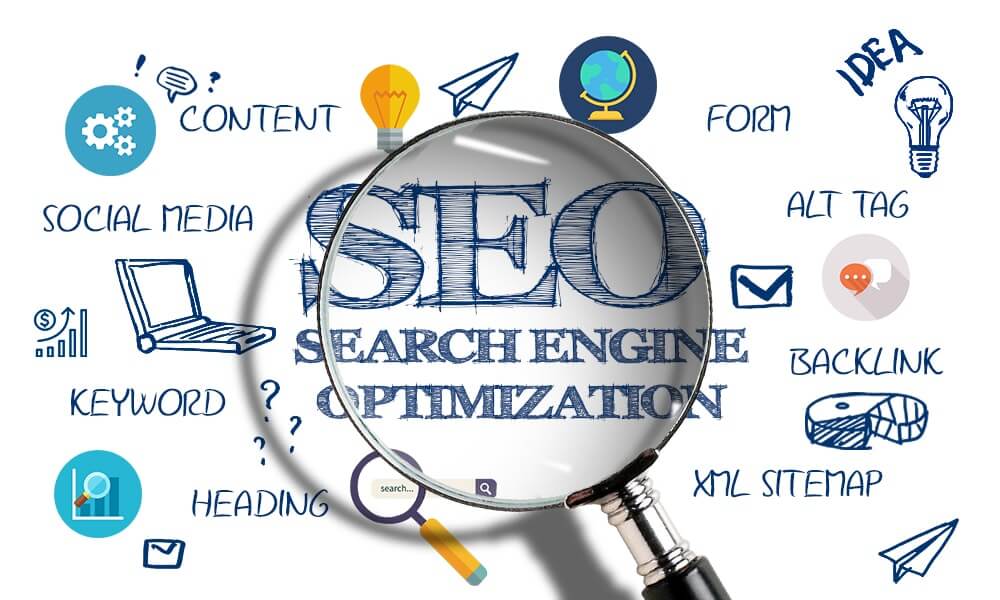
Off Page SEO Services: Why They Matter More Than Ever In the digital marketing world, off page seo services have become the backbone of sustainable online growth. While on-page efforts ensure your website is well-structured and user-friendly, the real authority and brand visibility often come from what happens outside your site. Whether you operate a small local business, run an e-commerce store, or provide professional services, building a strong off-page strategy is essential for long-term SEO success. Off-page SEO involves every action taken beyond your website to improve its credibility, trust, and search rankings. Google relies heavily on signals such as backlinks, brand mentions, reviews, and external engagement to assess the value of your content. A well-rounded strategy amplifies your reach, strengthens your online footprint, and makes your brand more competitive in search engine results pages (SERPs). In this comprehensive guide, we’ll explore why off-page tactics matter, how they complement local seo and on-page optimization, and why working with an experienced seo consultant can accelerate your results. What Makes Off-Page SEO So Powerful? If you think of your website as a storefront, off-page SEO is everything other people say about your business outside that store. Google interprets external signals as “votes of confidence,” which ultimately influence how high your site can rank. The stronger your off-page presence, the more trustworthy your brand appears. Here are the core benefits of an effective off-page strategy: 1. Higher Domain Authority Backlinks from reputable websites boost your domain authority, one of the most influential ranking metrics. The more authoritative your site, the better your chances of ranking for competitive keywords. 2. Greater Brand Visibility Mentions across blogs, directories, social media, and news platforms help expand brand awareness and improve recognition. Visibility is crucial not only for SEO but also for building customer trust. 3. More Referral Traffic Quality backlinks do more than signal trust to Google—they also drive real visitors to your site who are genuinely interested in your products or services. 4. Stronger Reputation Management Good reviews, positive mentions, and consistent engagement protect your brand’s reputation and build consumer confidence, especially important for local seo efforts. Essential Components of Effective Off-Page SEO A strong off-page strategy is multi-layered and combines various efforts beyond just link building. Here’s what professional off-page optimization typically includes: 1. High-Quality Link Building Backlinks remain one of Google’s top ranking factors. However, not all links are equal. A strategic approach focuses on: Earning links from authoritative, relevant sites Guest posting on niche-specific blogs Building relationships with industry influencers Acquiring links naturally through valuable content The goal is to gain high-quality backlinks that strengthen your credibility rather than spammy links that harm your rankings. 2. Social Media Engagement Social platforms may not directly impact rankings, but they boost visibility and content distribution. When people share and interact with your posts, it increases brand exposure and can organically lead to more backlinks. 3. Brand Mentions (Linked and Unlinked) Google recognizes brand mentions across the web—even without a direct link. These mentions build trust and signal authority. Press releases, interviews, and strategic PR efforts help achieve this. 4. Business Listings and Directories For companies focused on local seo, consistency across business directories is essential. Citations act as trust signals and benefit businesses aiming to appear in local map packs. 5. Influencer and Blogger Outreach Collaborating with niche influencers or bloggers helps you tap into new audiences. Their endorsements can generate significant traffic and amplify your credibility. 6. Content Marketing Beyond Your Website Publishing valuable assets such as infographics, videos, research reports, and tools encourages others to share or reference your content—creating natural link-building opportunities. How Off-Page and On-Page SEO Work Together Many people view off-page and on page seo as separate strategies, but they are two halves of the same puzzle. No matter how strong your external signals are, your site must be optimized internally to rank well. That includes: Optimized meta tags High-quality content Fast site speed Mobile responsiveness Clean URL structures When on-page performance is strong, your off-page efforts deliver even better results. Off-page SEO builds authority, while on-page optimization ensures Google can fully understand and reward your content. Why Off-Page SEO Matters for Local Businesses If you operate a local business—such as a restaurant, clinic, salon, or real estate agency—off-page tactics play a major role in local rankings. Key elements of local off-page SEO include: Managing Google Business Profile (GBP) reviews Consistent citations across local directories Local backlinks from community websites Local PR and brand mentions Engagement on social platforms Strong local visibility translates into real-world benefits: more foot traffic, more customer calls, and a strong presence in local map results. The Role of an SEO Consultant in Off-Page Optimization While many off-page tasks can be handled in-house, partnering with an experienced seo consultant can dramatically elevate your strategy. SEO experts bring: A proven link-building methodology Access to premium industry tools Knowledge of safe, ethical SEO practices The ability to spot growth opportunities Professional outreach and PR connections A consultant ensures your off-page approach is strategic, data-driven, and aligned with your business goals. Why Businesses Can’t Ignore Off-Page SEO Today Search competition has become more intense than ever. Simply publishing content or optimizing on-page elements isn’t enough to outrank established competitors. Off-page SEO builds the authority required to claim top positions in SERPs—positions that drive the majority of organic clicks. As brands invest more in digital marketing, those who ignore off-page strategies risk falling behind. Building authority, earning trust, and creating meaningful online relationships are now indispensable parts of SEO search engine optimization. Midway through this process, many businesses realize that off page seo services provide a measurable competitive advantage. Whether through strategic link-building, digital PR, or reputation management, these services boost visibility and long-term organic performance. Final Thoughts: Strengthen Your Online Presence with the Right Strategy Off-page SEO is the foundation of a powerful online presence. When combined with local seo, strategic content creation, and solid on-page optimization, it fuels consistent growth and elevated rankings. Whether you’re