How to Build a WordPress Plugin with Only One Prompt Using AI: A Quick Guide
Introduction: Building WordPress plugins can be a daunting task for many developers, especially when it comes to ensuring they meet WordPress coding standards, best practices, and security protocols. However, with the power of Artificial Intelligence (AI), the process can be streamlined, efficient, and even automated. In this guide, we’ll show you how you can leverage AI tools to create a production-ready WordPress plugin, following the official WordPress coding standards. Why Use AI in Plugin Development? AI technologies, such as natural language processing and code generation tools, can help developers at every stage of plugin development. From generating boilerplate code to detecting errors and optimizing performance, AI is transforming how developers approach WordPress plugin creation. By utilizing AI, developers can save time, reduce human error, and ensure that their plugins are optimized for performance and security. Plus, it can help developers adhere to WordPress’s strict coding standards, ensuring smooth integration and fewer bugs. Step-by-Step Guide to Building Your WordPress Plugin with AI 1. Define Your Plugin Idea Before diving into the technical aspects, it’s essential to define what your plugin will do. The idea behind your plugin will guide its structure, features, and functionality. AI can assist in brainstorming ideas, researching plugin functionality, or providing examples of popular plugins with similar features. Example Plugin Idea: “A custom post type plugin for displaying portfolios with unique layouts.” 2. AI-Powered Code Generation for Your Plugin Once you have the plugin idea, AI tools like GPT-4 can help generate the initial boilerplate code for your plugin. This includes the plugin’s main file, including the plugin header, activation, and deactivation hooks. Here’s your prompt for AI assistance: You are an expert WordPress plugin developer. Create a production-ready WordPress plugin according to official WordPress coding standards and best practices. Plugin Overview: Plugin Name: [ENTER PLUGIN NAME] Description: [YOUR IDEA HERE] Version: 1.0.0 Author: [YOUR NAME] Requirements: 1. Architecture: – Use OOP (Object-Oriented Programming) – Use proper namespace – Modular file structure – No procedural spaghetti code – Separate logic for Admin and Public areas 2. File Structure: – Main plugin file – /includes – /admin – /public – /assets/css – /assets/js – uninstall.php (if needed) 3. WordPress Standards: – Follow WordPress Coding Standards – Use proper hooks (actions & filters) – Use prefix for functions, classes, and options – Prevent direct file access – Use nonces for form security – Sanitize all inputs – Escape all outputs – Translation ready (Text Domain included) – Compatible with WordPress 6.x+ 4. Admin Features: – Create admin menu or settings page (if required) – Use WordPress native UI styling – Proper capability checks (manage_options etc.) – Use Settings API where appropriate 5. Database: – Use WordPress Options API or Post Meta if possible – Create custom table only if absolutely necessary – Proper activation & deactivation hooks – Cleanup on uninstall (if needed) 6. Performance: – Enqueue scripts and styles properly – Load assets only where needed – Avoid unnecessary database queries – Use AJAX securely if required 7. Security: – Validate, sanitize, and escape everything – Use wp_verify_nonce() – Use current_user_can() – Prevent SQL injection – Follow WordPress security best practices 8. Code Output: – Provide complete working code – Clearly separate files – Add comments explaining important parts – Ready to zip and install Now generate the full plugin code based on the above requirements. AI can generate the main plugin file structure, admin logic, public-facing features, and even enqueue scripts/styles. You can customize it as needed. 3. Follow WordPress Coding Standards AI can assist in ensuring your code follows WordPress best practices and coding standards. For example, AI can automatically check your plugin for proper hooks, file structure, and security measures. 4. Admin Features & Settings Page If your plugin requires an admin panel or settings page, AI can generate the necessary code for you. It can also include capability checks to ensure that only authorized users can modify the settings, using WordPress’s native UI styling and Settings API. 5. Database & Custom Tables For plugins that require storing data, AI can help design your database structure. It can suggest whether to use WordPress Options API or Post Meta, and if necessary, help create custom tables for your plugin. 6. Testing, Debugging, and Optimization AI tools can assist in debugging and optimizing your plugin. It can identify performance bottlenecks, unnecessary database queries, or security vulnerabilities such as SQL injection risks. Additionally, it can help ensure that your plugin is fully compatible with the latest version of WordPress. 7. Security Best Practices Security is a top priority when developing WordPress plugins. AI can automatically implement best practices, such as: Validating and sanitizing user inputs Preventing direct file access Using nonces for form security Escaping all outputs 8. Final Code & Documentation AI tools can generate documentation for your plugin, explaining the functionality, usage, and code structure. This is crucial for future updates and for other developers who might use or modify your plugin. Conclusion: Creating a WordPress plugin has never been easier, thanks to the assistance of AI. By following the WordPress coding standards and leveraging AI tools, you can build a robust, secure, and feature-rich plugin in less time. Whether you are an experienced developer or a beginner, AI can speed up the development process and ensure your plugin is production-ready. Start using AI to create your own WordPress plugins today, and unlock a whole new level of development efficiency and quality.
How Local SEO and Google My Business Drive More Customers
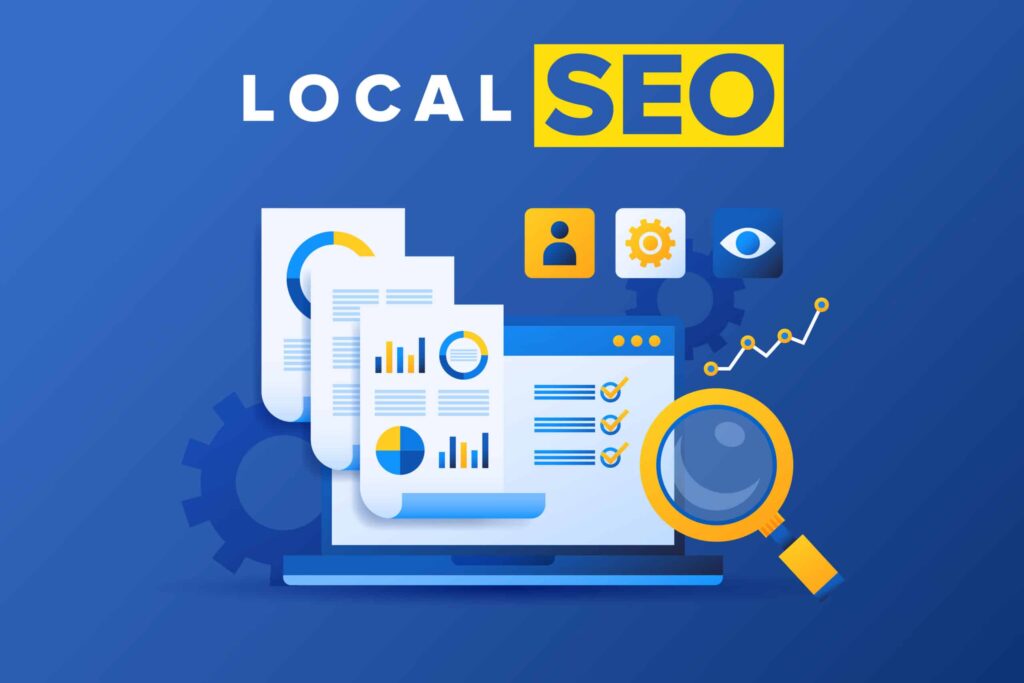
In today’s digital-first world, customers no longer flip through phone books or rely solely on word-of-mouth recommendations. Instead, they pull out their phones and search phrases like “best coffee shop near me” or “plumber in [city name].” If your business doesn’t appear in those results, you’re losing potential customers to competitors who do. That’s where Local SEO and Google My Business (now called Google Business Profile) come in. When used strategically, they can dramatically increase your visibility, drive qualified traffic, and convert nearby searchers into paying customers. In this guide, we’ll break down what Local SEO is, how Google Business Profile works, and how combining both can transform your business growth. What Is Local SEO? Local SEO (Search Engine Optimization) is the process of optimizing your online presence to attract more business from relevant local searches on search engines like Google. These searches typically include: “Near me” queries City or neighborhood names Location-based service keywords (e.g., “dentist in Miami”) Unlike traditional SEO, which focuses on ranking nationally or globally, Local SEO helps businesses appear in geographically related searches — especially in the “Local Pack” (the map listing that appears at the top of search results). If your business serves a specific region, Local SEO isn’t optional — it’s essential. What Is Google My Business (Google Business Profile)? Google Business Profile (formerly Google My Business) is a free tool that allows businesses to manage how they appear in Google Search and Google Maps. When someone searches for your business or services, your profile can display: Business name Address Phone number Website link Reviews and ratings Business hours Photos and videos FAQs Posts and updates Your Google Business Profile is often the first impression customers get — even before visiting your website. Why Local SEO Matters More Than Ever 1. Local Searches Have High Purchase Intent Local searchers are ready to take action. Studies consistently show that people who perform local searches often visit a store or contact a business within 24 hours. When someone searches: “Emergency electrician near me” They’re not browsing — they’re buying. By optimizing for Local SEO, you position your business in front of high-intent customers exactly when they need you. 2. The Local Pack Gets the Most Clicks When you search for a local service, you’ll see a map and three highlighted business listings. This is known as the “Local Pack.” Businesses that appear here receive: Higher visibility More clicks More phone calls More website visits If you’re not in the top three, your competitors are capturing the majority of local attention. How Google Business Profile Drives More Customers Let’s look at the practical ways Google Business Profile helps you convert searchers into customers. 1. Increases Visibility on Google Maps Your Google Business Profile allows you to appear on Google Maps. Many users search directly in Maps instead of traditional search results. If your profile is optimized: You rank higher in map searches You show up in navigation results Customers can get directions instantly Convenience increases conversions. 2. Builds Trust Through Reviews Online reviews are today’s word-of-mouth marketing. A well-managed Google Business Profile: Showcases star ratings Displays customer testimonials Builds credibility Businesses with higher ratings and active responses to reviews often outperform competitors — even if competitors are larger. Pro Tip: Responding to reviews (positive and negative) signals professionalism and engagement. 3. Encourages Direct Customer Actions Your profile includes built-in action buttons: Call now Get directions Visit website Message These features remove friction. The fewer clicks required, the more likely customers will take action. 4. Improves Local Ranking Signals Google uses several ranking factors for Local SEO: Relevance Distance Prominence An optimized Google Business Profile strengthens all three. By including: Accurate business categories Keyword-rich descriptions Updated contact information High-quality images You improve your chances of ranking higher in local search results. Key Elements of a High-Performing Local SEO Strategy To truly drive more customers, Google Business Profile alone isn’t enough. It must work alongside a strong Local SEO strategy. Here’s how: 1. Optimize Your Website for Local Keywords Your website should include: City and service-based keywords Location-specific landing pages Local schema markup Embedded Google Map Example: Instead of “Best Roofing Services,” use: “Best Roofing Services in Dallas, TX” Search engines need clear geographic signals. 2. Maintain NAP Consistency NAP stands for: Name Address Phone Number Your NAP information must be consistent across: Your website Google Business Profile Online directories Social media Inconsistent information confuses search engines and reduces trust. 3. Create Localized Content Publishing locally relevant blog posts helps strengthen authority. Examples: “Top 5 Home Renovation Trends in Miami” “How Winter Weather Affects Plumbing in Chicago” This content signals to search engines that your business actively serves that area. 4. Build Local Citations and Backlinks Citations are mentions of your business on other websites (like directories). Backlinks from: Local news sites Community blogs Industry associations Increase credibility and improve search rankings. 5. Use Photos and Regular Updates Businesses with updated photos and frequent posts perform better. Add: Interior and exterior photos Team images Before-and-after project pictures Promotional updates Google favors active profiles. How Local SEO Impacts Revenue Let’s connect visibility to real business growth. When you rank higher locally: More people see your business More people click More people call More appointments get booked More sales are generated It’s not just about traffic — it’s about targeted traffic. Local SEO attracts customers who are: Nearby Searching for your service Ready to act That’s the highest-quality lead you can get. Common Mistakes Businesses Make Many businesses create a Google Business Profile but fail to optimize it. Common mistakes include: Incomplete profiles Wrong categories No reviews strategy Ignoring negative feedback Keyword stuffing Inconsistent NAP details Local SEO is not “set it and forget it.” It requires ongoing optimization. The Competitive Advantage of Early Optimization In many industries, local competition is still under-optimized. That presents opportunity. Businesses that: Actively manage reviews Post weekly updates Optimize website pages Monitor performance Often outrank larger competitors who neglect their local presence. Local SEO
Show Full Screen Intro Video Before Your WordPress Website Loads (Desktop & Mobile)
Show Full Screen Intro Video Before Your WordPress Website Loads (Desktop & Mobile) If you want your WordPress website to look more professional and cinematic, you can show a full screen intro video before your homepage loads. This guide will show you step by step how to: Even if you are a beginner, you can follow this guide easily. What Is a Full Screen Intro Video? A full screen intro video is a video that appears immediately when someone opens your website. It covers the entire screen. While the video plays: Once the video ends, the homepage becomes visible automatically. This type of feature is often used by: What You Need Before Starting Before adding the code, make sure you have: If you do not have separate mobile video, you can use the same video for both. Step 1: Upload Your Videos First, upload your video files. Go to: WordPress Dashboard → Media → Add New Upload: After uploading: Step 2: Add the Code to Your Website You can add this code in one of these ways: Option 1 (Recommended for Elementor Users)Elementor → Custom Code → Add New → Location: Header → Entire Site or Homepage Only Option 2Appearance → Theme File Editor → header.php Option 3Add a Custom HTML widget inside your homepage template Important:It is better to load this only on the homepage. Step 3: Copy This Complete Code Now copy everything below and paste it into your website. Replace the video URLs before saving. Inside the code, find: Paste-Dekstop-video-UrlPaste-mobile-video-Url Replace them with your actual video URLs, for example: https://yourwebsite.com/wp-content/uploads/2026/01/intro-desktop.mp4https://yourwebsite.com/wp-content/uploads/2026/01/intro-mobile.mp4 Then click Save or Publish. How This Code Works (Beginner Explanation) Here is a simple explanation: The CSS part: The JavaScript part: Everything happens automatically. Performance Tips To keep your website fast: Heavy videos can slow down your website. Important Notes Conclusion Using this custom full screen intro video method, you can give your WordPress website a premium and professional feel without using any plugin. It is lightweight, clean, and fully customizable.
SEO for Beginners: How Businesses Can Rank on Google and Get More Customers
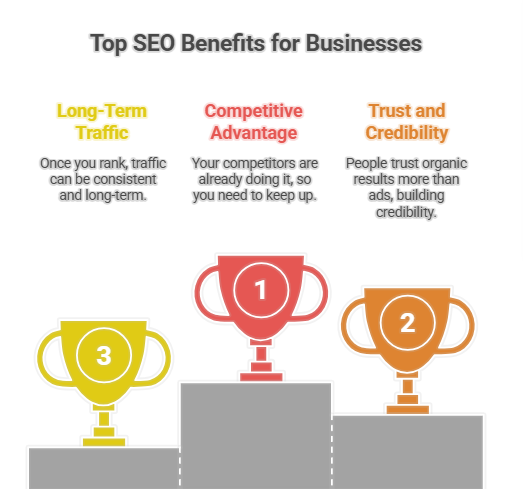
SEO for Beginners: How Businesses Can Rank on Google and Get More Customers If you run a business today, your customers are already searching for you on Google… whether you’re there or not. Search Engine Optimization (SEO) is how you show up when they look. It’s not magic, and it’s not just for tech people. With the right basics, any business can start ranking higher and getting more customers from Google. Let’s walk through SEO in a simple, practical way, focusing on what actually works for beginners. 1. What Is SEO (Really)? SEO (Search Engine Optimization) is the process of improving your website so that: Google can understand what it’s about. Users can easily find the information they need. Your pages appear higher in search results for relevant keywords. In short: SEO helps you get free, ongoing traffic from Google instead of paying for every click through ads. Why SEO Matters for Businesses Your competitors are already doing it. People trust organic (non‑ad) results more. Once you rank, traffic can be consistent and long‑term. It works for almost any type of business: local shops, e‑commerce, coaches, SaaS, agencies, etc. Think of SEO as building a digital “storefront” on the busiest street in the world: Google’s first page. 2. How Google Decides Who Ranks Google wants to show the best possible answer to each search. To do that, it looks at hundreds of factors, but for beginners, you can focus on three big pillars: Relevance – Does your content match what the user is looking for? Quality – Is your content helpful, well‑written, and complete? Authority – Do other websites trust and link to you? If you create content that matches what your ideal customer is searching for, make it genuinely helpful, and build trust around your brand, you’re already doing SEO at a decent level. 3. Step 1: Understand Your Audience and Their Keywords SEO starts before you write anything. You first need to know: Who are your customers? What problems do they have? What are they typing into Google when they look for help? These searches become your keywords. Types of Keywords Informational keywords – People want answers or education. Examples: “how to fix leaking tap” “best running shoes for beginners” “what is SEO for small business” Commercial keywords – People are researching what to buy. Examples: “best dentist in [city]” “project management software comparison” “top digital marketing agencies” Transactional keywords – People are ready to buy or contact. Examples: “book accountant near me” “buy wireless headphones online” “hair salon appointment [city]” You want a mix of these, but transactional and commercial keywords are most directly tied to getting customers. Simple Keyword Research for Beginners You don’t need fancy tools at the start. Here are easy methods: Google autocomplete: Start typing a phrase and see what Google suggests. People Also Ask boxes: These give real questions people are asking. Related searches at the bottom of Google’s results page. Look at competitor websites and see the topics they cover. Write down a list of phrases your customers might search for, such as: “plumber in [your city]” “family lawyer for divorce” “organic coffee beans online” “SEO services for local businesses” These will become the topics of your pages and blog posts. 4. Step 2: Optimize Your Website Pages (On‑Page SEO) Once you know your keywords, the next step is to optimize your actual pages. This is called on‑page SEO. Key On‑Page SEO Elements Page Title (Title Tag) This is the blue, clickable headline you see in Google results. Include your main keyword. Make it clear and compelling for humans, not just search engines. Example: Instead of: “Home | Company Name” Use: “Affordable Plumber in Chicago | 24/7 Emergency Plumbing” Meta Description This is the short description under the title in Google results. It doesn’t directly impact ranking much, but it affects clicks. Use your keyword naturally and a call to action. Example: “Looking for a reliable plumber in Chicago? We offer 24/7 emergency plumbing, fast response, and fair pricing. Call now for a free quote.” Headings (H1, H2, H3) Headings help organize your content. Use one H1 per page (main title on the page). Break your content into sections with H2 and H3. Include keywords where natural, but don’t stuff. URL Structure Keep URLs short, readable, and keyword‑focused. Example: Good: /emergency-plumber-chicago Bad: /page-id-123?ref=home Content Itself Your content should: Answer the user’s main question clearly. Be easy to scan with headings, bullet points, and short paragraphs. Include your keyword and related terms naturally. Provide real value: tips, explanations, examples, visuals. Remember: write for people first, Google second. Internal Links Link from one relevant page on your site to another. Example: a blog post on “how to fix low water pressure” links to your “plumbing services” page. This helps users navigate and helps Google discover and understand your pages. Images and Alt Text Use images to make content engaging. Use descriptive file names and alt text (for accessibility and context). Example alt text: “technician repairing a leaking kitchen sink” 5. Step 3: Optimize for Local Searches (Local SEO) If you have a physical location or serve certain areas (restaurants, salons, plumbers, dentists, local shops), Local SEO is crucial. Google Business Profile Create and optimize your Google Business Profile (formerly Google My Business): Use your exact business name. Add correct address, phone, website, and opening hours. Choose accurate business categories (e.g., “Italian restaurant”, “family lawyer”). Add photos of your location, team, and products. Ask happy customers to leave reviews and reply to those reviews. This profile helps you show up in: The Map Pack (top map results). The right‑hand knowledge panel. Google Maps searches. Local SEO Tips Include your city/region in important pages and headings. Create a “Contact” or “Locations” page with your full address and map. Make sure your Name, Address, and Phone (NAP) are consistent across the web (website, social profiles, directories). Get listed in local directories relevant to your industry (chambers of commerce, industry associations, etc.). Local SEO can be a huge driver of real‑world customers, not just website traffic. 6. Step 4: Create Helpful, Customer‑Focused
SEO vs GEO vs AEO: Understanding the Key Differences in Digital Marketing
In the ever-evolving world of digital marketing, terms like SEO, GEO, and AEO are frequently mentioned. While they all relate to improving a website’s visibility on search engines, they serve different purposes, focus on different strategies, and impact businesses differently. Understanding these differences is crucial for marketers, business owners, and agencies aiming to maximize online reach and conversions. In this blog, we’ll explore the definitions, strategies, and examples of SEO, GEO, and AEO, along with actionable tips to implement them effectively. By the end, you’ll have a clear roadmap for using each approach to grow your digital presence. 1. What is SEO (Search Engine Optimization)? Definition:SEO, or Search Engine Optimization, is the process of optimizing your website, content, and online presence to rank higher in organic (non-paid) search results on search engines like Google, Bing, or Yahoo. Purpose:The primary goal of SEO is to increase organic traffic, improve website visibility, and attract users actively searching for your products, services, or information. Key Components of SEO On-Page SEO: Optimizing content with relevant keywords. Using meta titles, meta descriptions, and proper headings (H1, H2, H3). Ensuring a user-friendly URL structure. Internal linking to enhance website navigation. Off-Page SEO: Building quality backlinks from authoritative websites. Social signals and mentions. Guest posting and influencer collaborations. Technical SEO: Optimizing website speed and performance. Ensuring mobile-friendliness. Proper indexing and structured data. Content SEO: Creating high-quality, valuable content. Using keywords naturally. Answering user intent effectively. Example of SEO in Action Suppose you run a digital marketing agency in Pakistan. Optimizing your website for the keyword “digital marketing services Pakistan” ensures your website appears in search results when users are searching for digital marketing agencies nationwide. Why SEO Matters It attracts long-term, organic traffic. Builds brand credibility. Reduces dependency on paid advertising. Offers measurable ROI with analytics tools. 2. What is GEO (Geographical or Local SEO)? Definition:GEO, often referred to as geo-targeting or local SEO, is the practice of optimizing your website and online presence to rank for searches in a specific location. It focuses on attracting customers who are nearby or searching for location-specific services. Purpose:The goal of GEO is to drive local traffic, generate footfall for physical stores, and improve visibility in location-based searches. Key Components of GEO Google My Business (GMB): Create and optimize a GMB profile with your business name, address, phone number (NAP), and working hours. Encourage customers to leave positive reviews. Local Keywords: Use city- or neighborhood-specific keywords like “best bakery in Lahore” or “SEO services Karachi.” Citations and Directories: List your business in local directories like Yellow Pages Pakistan, OLX Business, and niche directories. Local Content Marketing: Blog posts about local events, news, or trends. Case studies from local clients. Mobile Optimization: Many local searches happen on mobile devices; ensure mobile-friendliness. Example of GEO in Action If you own a restaurant in Islamabad, optimizing your website for GEO would include keywords like “Italian restaurant in Islamabad”, updating your GMB listing, and encouraging reviews. When users search for nearby restaurants, your business appears in the map pack, increasing the chances of visits. Why GEO Matters Captures hyper-local audiences. Improves foot traffic for physical businesses. Enhances credibility with location-based reviews. Can complement broader SEO efforts to dominate local search results. 3. What is AEO (Answer Engine Optimization)? Definition:AEO, or Answer Engine Optimization, is the practice of optimizing your content so that search engines can provide direct answers to user queries. Unlike traditional SEO, which focuses on ranking pages, AEO focuses on appearing in featured snippets, voice search results, and AI-driven answers. Purpose:The primary goal of AEO is to get your content in the “answer box” at the top of search results, improving visibility and credibility. Key Components of AEO Question-Based Content: Create content that answers user questions clearly and concisely. Use headings like “What is…?”, “How to…?”, and “Why…?” Structured Data & Schema Markup: Implement FAQ schema, How-to schema, and review schema to make content easier for search engines to interpret. Featured Snippets Optimization: Format content to appear in paragraph, list, or table snippets. Provide a precise answer within the first 40–60 words of content. Voice Search Optimization: Use conversational language and natural phrasing. Target long-tail keywords that match spoken queries. Example of AEO in Action If a user asks “How to start a digital marketing agency in Pakistan?”, Google may display a step-by-step answer from your blog in a snippet at the top of search results. This improves visibility, even if your website is not ranking #1. Why AEO Matters Enhances brand authority by providing quick answers. Drives clicks and traffic from featured snippets. Optimized for voice search, which is growing globally. Supports SEO and content marketing efforts. 4. Key Differences Between SEO, GEO, and AEO Feature SEO GEO AEO Full Form Search Engine Optimization Geographical Optimization / Local SEO Answer Engine Optimization Purpose Rank for relevant keywords Rank for location-specific searches Appear in answer boxes / voice search Focus Keywords, backlinks, technical SEO Local keywords, Google My Business, citations FAQs, structured data, featured snippets Target Audience Broad / national / global Local / hyper-local Users seeking direct answers Tools SEMrush, Ahrefs, Moz Google My Business, BrightLocal, Whitespark Schema.org, Google Search Console, AnswerThePublic Example “Digital marketing agency Pakistan” “Digital marketing agency Karachi” “How to grow a digital marketing agency in Pakistan?” 5. How to Use SEO, GEO, and AEO Together For maximum results, digital marketers should integrate all three strategies: SEO for Broad Visibility:Optimize your website for national or niche keywords to attract organic traffic. GEO for Local Traffic:Target city-specific searches and optimize your Google My Business profile. AEO for Direct Answers:Create content that answers specific questions and optimizes for featured snippets and voice search. Example Strategy for a Digital Marketing Agency in Pakistan: SEO: Optimize for “digital marketing services Pakistan.” GEO: Target “SEO agency Lahore” and “social media marketing Karachi.” AEO: Publish blogs answering “How to choose the best digital marketing agency in Pakistan?” This combination ensures your agency appears in general search results, local searches, and featured answers—maximizing visibility
How to Grow a Digital Marketing Agency in Pakistan: A Comprehensive Guide
Digital marketing is no longer a luxury—it’s a necessity for businesses aiming to thrive in today’s digital era. Pakistan’s rapidly growing internet penetration, social media usage, and e-commerce boom make it an ideal market for digital marketing agencies. But starting and growing a digital marketing agency here isn’t as simple as offering SEO or social media services. Success requires strategy, skill, and deep understanding of both local and global markets. In this blog, we’ll explore actionable steps, tools, and strategies to grow a digital marketing agency in Pakistan. Whether you’re a freelancer looking to scale into an agency or an established firm aiming to expand, this guide is for you. 1. Understand the Local Digital Marketing Landscape Before diving into growth strategies, it’s crucial to understand Pakistan’s digital environment. Here are some key insights: Internet Penetration: As of 2025, over 110 million Pakistanis are online, with mobile devices dominating internet access. Social Media Usage: Platforms like Facebook, Instagram, TikTok, and LinkedIn are growing rapidly. TikTok has over 40 million users in Pakistan. E-commerce Boom: Online shopping is rising, with platforms like Daraz, HumMart, and local brands seeing exponential growth. SMEs as Major Clients: Small and medium-sized businesses form the backbone of Pakistan’s economy. Many are seeking digital marketing services but lack expertise in-house. Understanding these trends allows you to tailor services that local businesses need, from social media management to paid advertising. 2. Define Your Niche One common mistake new agencies make is offering everything to everyone. While SEO, social media, PPC, email marketing, and content marketing are essential, specializing can help you grow faster. Why Niching Matters: Easier to position yourself as an expert. Reduces competition with generalist agencies. Enables higher rates for specialized services. Examples of Niches in Pakistan: E-commerce Marketing: Target online stores for Facebook Ads, Instagram marketing, and SEO. Local Business Marketing: Help restaurants, salons, or gyms attract local clients. B2B Marketing: LinkedIn campaigns and content marketing for professional services. Influencer Marketing Management: Coordinate collaborations for brands targeting young audiences. 3. Build a Strong Brand for Your Agency Your agency’s brand is often the first impression clients get. A professional and trustworthy brand helps attract clients and retain them. Key Branding Elements: Logo & Visual Identity: Ensure your brand looks professional on social media, websites, and proposals. Website: Showcase services, case studies, client testimonials, and your unique value proposition. Social Media Presence: Post regularly on LinkedIn, Instagram, and Facebook to demonstrate expertise. Portfolio: Highlight results from past projects, even if you initially offer discounted or free services to build credibility. 4. Offer Results-Driven Services Clients are looking for results, not just reports. Your services should focus on measurable outcomes such as: Increased website traffic Higher social media engagement Lead generation and conversions Return on ad spend (ROAS) Essential Services for Pakistani Businesses: Social Media Marketing (SMM) Instagram and TikTok are booming for lifestyle and e-commerce brands. Create campaigns with local trends, humor, and relatable content. Search Engine Optimization (SEO) Local SEO is crucial for businesses targeting specific cities like Karachi, Lahore, or Islamabad. Offer website audits, on-page and off-page optimization, and content strategy. Pay-Per-Click (PPC) Advertising Google Ads and Meta Ads can drive instant traffic. Focus on ad creatives, targeting, and analytics to maximize ROI. Content Marketing Blogs, video content, and infographics help position brands as industry leaders. Email Marketing & Automation Build email lists and design campaigns to nurture leads and boost sales. 5. Pricing Strategy: Competitive but Sustainable Pricing is tricky in Pakistan’s digital marketing market. You need to balance affordability with profitability. Tips for Pricing: Research Competitors: Know what local agencies charge for similar services. Value-Based Pricing: Instead of hourly rates, charge based on the results you deliver. Packages: Offer tiered packages (basic, standard, premium) to cater to different clients. Retainers: Long-term contracts provide predictable revenue and allow deeper relationships with clients. 6. Build a Talented Team Your agency’s growth depends heavily on your team. While you may start solo, eventually you’ll need skilled professionals. Key Roles: Account Manager: Maintains client relationships and manages expectations. SEO Specialist: Optimizes websites and runs search campaigns. Content Creator: Designs graphics, writes blogs, and creates social media content. Paid Ads Specialist: Manages PPC campaigns for maximum ROI. Video & Multimedia Designer: Creates engaging visuals and videos for clients. Hiring Tips in Pakistan: Use platforms like Upwork, Fiverr, Rozee.pk, and LinkedIn. Hire remote freelancers initially to reduce costs. Train juniors internally to align with your agency’s standards. 7. Marketing Your Agency To grow, your agency must practice what it preaches—effective marketing. Strategies: Social Proof: Showcase client testimonials and case studies. LinkedIn Outreach: Connect with decision-makers in SMEs and pitch services. Content Marketing: Publish blogs and videos that demonstrate expertise. Email Outreach: Target local businesses with personalized proposals. Networking Events: Attend business expos, conferences, and workshops in Pakistan. Paid Ads for Your Agency: Run targeted campaigns to attract potential clients online. 8. Focus on Client Retention Acquiring clients is expensive. Retaining them is more profitable. Tips for Client Retention: Regularly report performance and ROI. Offer strategy sessions and suggestions for improvement. Personalize communications and celebrate milestones. Upsell additional services like influencer marketing or advanced analytics. 9. Leverage Technology and Tools Using the right tools can streamline workflows and improve results: SEO Tools: SEMrush, Ahrefs, Ubersuggest Social Media Scheduling: Buffer, Hootsuite, Later Analytics: Google Analytics, Facebook Insights, Hotjar Project Management: Trello, Asana, Monday.com Email Marketing: Mailchimp, Moosend, Sendinblue Automation saves time, reduces errors, and allows your team to focus on strategy and creativity. 10. Adapt to Trends and Upskill Continuously Digital marketing evolves rapidly. Agencies in Pakistan need to keep up: Video Content Dominance: Short videos on TikTok and Instagram Reels are key to engagement. AI Tools: ChatGPT, Jasper, and Canva AI can accelerate content creation. Voice Search & Chatbots: Optimize websites for voice queries and provide AI-driven customer support. E-commerce Growth: Develop specialized skills in Shopify, WooCommerce, and marketplaces like Daraz. Attend workshops, online courses, and webinars to stay updated. Upskilling ensures your agency remains competitive. 11. Scale
10 Proven Strategies to Boost Local Search Rankings in Pakistan
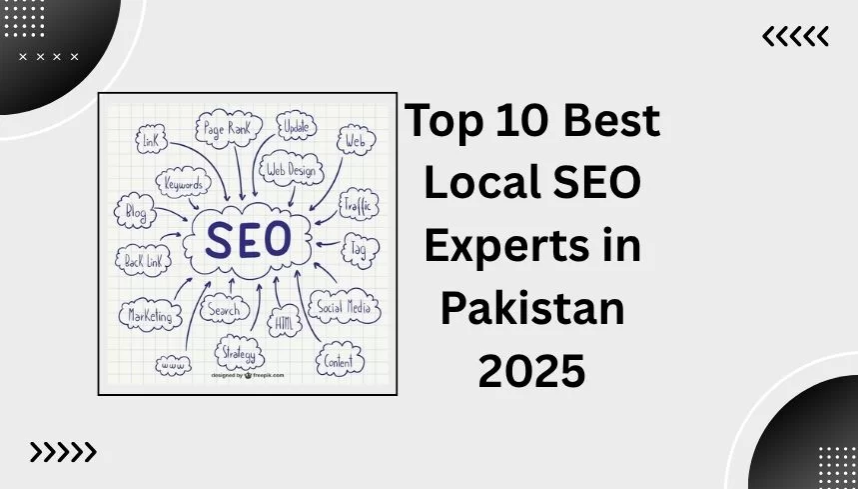
10 Proven Strategies to Boost Local Search Rankings in Pakistan Local search has become one of the most powerful growth drivers for businesses in Pakistan. With more users relying on Google to find nearby services, restaurants, clinics, and agencies, ranking high in local search results is no longer optional—it’s essential. A strong local presence helps businesses attract nearby customers who are actively searching for their products or services. This guide explores 10 proven strategies to boost local search rankings in Pakistan, using smart digital marketing, SEO best practices, and conversion‑focused tactics that deliver long‑term results. Why Local SEO Matters for Pakistani Businesses Local SEO is a critical part of modern online marketing. Whether you run a small shop or a service‑based company, appearing in local search results helps you reach customers who are ready to take action. Benefits of local SEO include: Increased visibility in Google search and Maps Higher website traffic from nearby users More calls, visits, and inquiries Better trust and brand credibility For any online marketing business in Pakistan, local optimization is a must. 1. Optimize Your Google Business Profile Your Google Business Profile is the foundation of local search success. It helps Google understand your business location, services, and relevance. To optimize it: Use accurate business name, address, and phone number Select correct business categories Add high‑quality images Write a clear business description This simple step can significantly improve your local visibility and support your overall digital marketing strategy. 2. Use Location‑Focused Keywords Naturally Targeting local keywords helps search engines connect your business with nearby searches. However, keyword usage must feel natural. Examples include: Service + city name Industry + Pakistan Location‑specific service pages Avoid overusing terms like digital marketing, web marketing, or digital marketing business. Instead, focus on context and relevance. 3. Create Location‑Specific Website Pages A well‑structured digital marketing website should include location‑specific pages that serve local users. These pages should include: Services offered in that city Local testimonials Embedded Google Maps Clear calls to action This approach strengthens local signals and improves rankings for marketing websites targeting Pakistani cities. 4. Optimize Your Website for Mobile Users Most local searches in Pakistan happen on mobile devices. If your website is not mobile‑friendly, users will leave quickly. Mobile optimization includes: Fast loading speed Responsive design Easy navigation Click‑to‑call buttons Mobile optimization also improves user experience, which is a key ranking factor in modern digital media marketing. 5. Build Local Citations and Business Listings Citations are mentions of your business across online directories. Consistent listings help search engines verify your business information. Focus on: Local Pakistani directories Industry‑specific platforms Business listing websites Accurate citations support local SEO and strengthen trust in your digital marketing services. 6. Encourage and Manage Customer Reviews Online reviews influence both rankings and customer decisions. Businesses with positive reviews tend to rank higher in local results. Best practices include: Asking satisfied customers for reviews Responding professionally to all feedback Addressing negative reviews politely Reviews improve credibility and enhance your online marketing presence. 7. Publish Locally Relevant Content Content plays a major role in boosting local search rankings. Publishing helpful and location‑focused content builds authority and relevance. Content ideas include: Local SEO tips for Pakistani businesses Industry updates relevant to your city Case studies and success stories This supports SEO while strengthening your digital marketing business brand. 8. Use Social Media to Support Local Visibility While social media is not a direct ranking factor, it supports local SEO by increasing engagement and brand awareness. Effective social media marketing helps: Drive traffic to your website Increase brand recognition Promote local offers and updates Combining organic content with social media advertising can further amplify local reach. 9. Run Geo‑Targeted Paid Advertising Paid advertising can complement local SEO by driving immediate traffic from specific locations. Local ad strategies include: City‑targeted Google Ads Local service ads Location‑based social media ads When combined with SEO, digital advertising accelerates local growth and conversions. 10. Track Performance Using Digital Marketing Tools To improve local rankings, businesses must track performance and refine strategies regularly. Helpful digital marketing tools allow you to monitor: Local keyword rankings Website traffic User behavior Conversion performance Data‑driven insights help optimize campaigns and improve ROI. How a Digital Marketing Agency Can Help Managing local SEO requires expertise, consistency, and ongoing optimization. Partnering with a professional digital marketing agency ensures your business stays competitive. Agencies assist with: Local SEO audits Content strategy Performance marketing Website optimization This allows businesses to focus on growth while experts handle execution. Integrating Media Marketing for Local Growth Media marketing helps extend your reach across multiple channels, reinforcing your local presence. A unified approach across: Search engines Social platforms Paid campaigns creates consistent messaging and stronger local authority. Common Local SEO Mistakes to Avoid Many businesses fail to rank locally due to avoidable mistakes: Inconsistent business information Keyword stuffing Ignoring mobile optimization Lack of local content Avoiding these errors strengthens your web marketing efforts and improves rankings. Long‑Term Benefits of Local SEO Local SEO is not a one‑time effort—it’s a long‑term investment. Businesses that focus on sustainable optimization enjoy: Steady local traffic Higher conversion rates Stronger brand trust Lower advertising costs This makes local SEO one of the most cost‑effective digital marketing services available. Final Thoughts Boosting local search rankings in Pakistan requires a strategic approach that combines SEO, content, social engagement, and paid campaigns. By applying these 10 proven strategies, businesses can increase visibility, attract nearby customers, and drive consistent growth. With the right digital marketing strategy, tools, and execution, local businesses can dominate search results and stay ahead of competitors.
Top Digital Marketing Trends Every Business Should Know in 2026
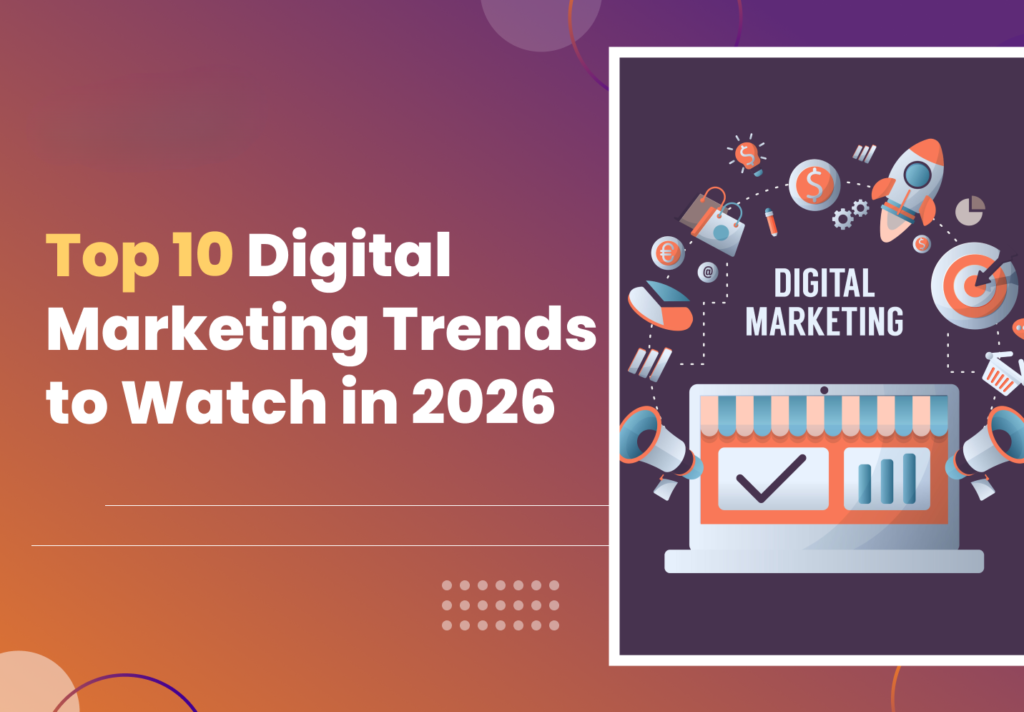
Top Digital Marketing Trends Every Business Should Know in 2026 Digital marketing continues to evolve at a rapid pace, and 2026 is shaping up to be a transformative year for businesses worldwide. As consumer behavior, technology, and platforms advance, brands must adapt their digital marketing strategy to stay competitive, relevant, and profitable. From smarter automation to more personalized experiences, businesses that understand and apply emerging trends will gain a strong advantage. This blog explores the top digital marketing trends every business should know in 2026 and how they impact online growth, branding, and performance. The Growing Importance of Digital Marketing in 2026 Digital marketing is no longer optional—it is essential for business survival. Consumers now rely heavily on online marketing channels to research products, compare brands, and make purchasing decisions. In 2026, successful businesses will focus on: Customer‑centric digital experiences Data‑driven decision making Integrated marketing across platforms A well‑optimized digital marketing website will serve as the foundation of all online efforts. AI‑Driven Marketing Becomes Mainstream Artificial intelligence is reshaping how brands approach digital media marketing and customer engagement. AI helps marketers analyze data faster, predict trends, and personalize content at scale. Key AI applications include: Predictive analytics for campaign performance AI‑powered chatbots and customer support Automated content recommendations AI enhances efficiency while improving user experience across marketing websites. Smarter Digital Marketing Strategies Using Data Data will continue to drive successful digital marketing strategies in 2026. Businesses that leverage real‑time insights can optimize campaigns faster and reduce wasted ad spend. Data‑focused strategies help with: Audience segmentation Conversion optimization Personalized messaging This shift allows businesses to make informed decisions rather than relying on guesswork. Performance Marketing Takes Center Stage Performance marketing will dominate marketing budgets as businesses demand measurable results. Brands want to know exactly how their investments are performing. Performance marketing focuses on: ROI‑driven campaigns Conversion tracking Cost‑effective customer acquisition This trend strengthens accountability across digital advertising channels. Evolution of Digital Advertising and Paid Media In 2026, paid advertising will become more refined and intent‑focused. Platforms are prioritizing user experience, making relevance more important than volume. Key changes in digital ads include: More emphasis on creative quality AI‑optimized bidding strategies Better audience targeting Brands that align paid campaigns with strong content will see better engagement and conversions. The Rise of Privacy‑Focused Marketing Privacy regulations and consumer awareness are reshaping online marketing business practices. Third‑party cookies are fading, pushing brands toward ethical data collection. Businesses are adapting by: Using first‑party data Building trust through transparency Creating value‑driven content Trust will become a key differentiator in digital marketing business success. Social Media Marketing Becomes Community‑Driven Social media marketing is shifting away from pure promotion toward authentic engagement. Platforms now reward meaningful interactions over reach alone. Trends shaping social platforms include: Community‑based content Short‑form video dominance Brand storytelling Businesses that foster genuine relationships will stand out organically. Growth of Social Media Advertising While organic reach declines, social media advertising remains powerful when executed strategically. In 2026, ads that blend naturally with platform content perform best. Effective social ads: Focus on storytelling Offer real value Drive users to optimized landing pages This approach strengthens brand recall and trust. Content Marketing Focuses on Value Over Volume Content saturation has made quality more important than quantity. Businesses must create content that educates, informs, and solves problems. Strong content supports: SEO performance Brand authority Long‑term traffic growth Educational blogs about about digital marketing, tools, and trends will continue to perform well. SEO and Content Integration Becomes Essential SEO is no longer just technical—it is deeply connected to content strategy. Search engines reward relevance, clarity, and helpfulness. SEO‑driven content: Matches search intent Improves user experience Builds authority This integration strengthens web marketing results and organic visibility. Digital Marketing Tools Power Smarter Campaigns Advanced digital marketing tools help businesses manage campaigns efficiently and analyze performance accurately. Popular tools assist with: SEO tracking Content optimization Campaign analytics Automation The right tools empower marketers to scale without sacrificing quality. Video Marketing Continues to Dominate Video remains one of the most engaging content formats. Short‑form videos, live streams, and interactive content are driving higher engagement rates. Video supports: Brand storytelling Social media growth Higher conversion rates In 2026, video will be central to media marketing strategies. Omnichannel Marketing Gains Momentum Consumers interact with brands across multiple platforms. Omnichannel marketing ensures a consistent experience everywhere. This approach connects: Websites Social media Email campaigns Paid ads Consistency across channels strengthens brand recognition and trust. The Role of a Digital Marketing Agency in 2026 Managing multiple platforms and strategies requires expertise. A professional digital marketing agency helps businesses stay ahead of trends. Agencies support: Strategy development Campaign execution Performance optimization This partnership allows businesses to focus on growth while experts handle complexity. Website Experience Becomes a Ranking Factor User experience will strongly influence SEO and conversions. Fast, mobile‑friendly, and user‑focused marketing websites will outperform competitors. Optimized websites: Improve engagement Reduce bounce rates Increase conversions A strong website is the core of all digital efforts. Future‑Ready Businesses Invest in Brand Trust Trust will be a major competitive advantage in 2026. Brands that prioritize transparency, value, and authenticity will outperform aggressive sales‑driven competitors. Trust‑building strategies include: Honest messaging Helpful content Ethical advertising This mindset supports sustainable growth in digital marketing services. Final Thoughts The digital landscape in 2026 will reward businesses that adapt, innovate, and focus on value. From AI‑driven campaigns to privacy‑focused marketing and performance‑based strategies, the future of digital marketing is smarter and more customer‑centric. By embracing these trends and aligning them with clear goals, businesses can build stronger brands, reach the right audiences, and achieve long‑term success in an increasingly competitive online world.
How to Build a Powerful Brand Online With SEO & Content
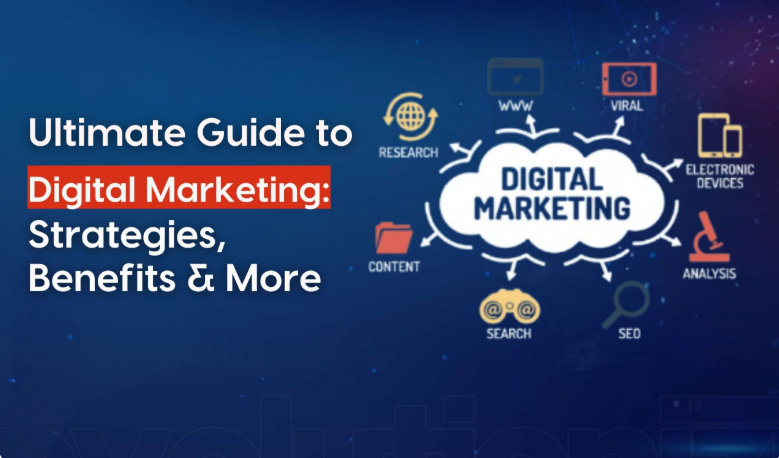
How to Build a Powerful Brand Online With SEO and Content Strategy In today’s competitive digital landscape, building a powerful brand online requires more than just having a website or running ads. Businesses must create a strong digital presence that attracts, engages, and converts audiences consistently. This is where SEO and content strategy play a critical role in shaping brand authority and long‑term growth. By combining smart digital marketing strategies, valuable content, and search engine optimization, businesses can position themselves as trusted leaders in their industry. This guide explains how brands can use SEO and content marketing together to build credibility, visibility, and sustainable online success. Understanding the Role of Digital Marketing in Branding Digital marketing is the foundation of modern brand building. It includes multiple channels such as online marketing, social media marketing, digital advertising, and performance marketing that work together to increase brand awareness. A strong digital brand: Communicates a clear message Maintains consistency across platforms Builds trust with its audience Converts visitors into loyal customers SEO and content strategy ensure your brand is visible at the right time, to the right audience. Why SEO Is Essential for Brand Growth Search engine optimization is not just about rankings—it’s about credibility. When your brand appears consistently in search results, users begin to trust it. SEO helps your brand by: Increasing organic visibility Driving high‑intent traffic Supporting long‑term online marketing goals Strengthening brand authority A well‑optimized digital marketing website allows search engines and users to understand your business clearly. Content Strategy: The Voice of Your Brand Content is how your brand communicates online. Blogs, landing pages, videos, and social posts all contribute to your brand identity. A strong content strategy: Educates your audience Solves real problems Supports SEO goals Builds emotional connection High‑quality content establishes your business as an authority within the digital marketing business ecosystem. Aligning SEO With Content Marketing SEO and content should never operate separately. When aligned, they create a powerful system that supports both visibility and engagement. Key alignment strategies include: Creating content based on search intent Structuring content with proper headings Using keywords naturally Optimizing internal links This approach ensures your marketing websites perform well both for users and search engines. Keyword Research Without Over‑Optimization Effective branding does not rely on keyword repetition. Instead, keywords should guide content creation naturally. Your content can support keywords like: digital marketing online marketing digital marketing strategy digital media marketing web marketing The goal is clarity and relevance—not stuffing keywords into every paragraph. Creating SEO‑Friendly Brand Content SEO‑friendly content focuses on quality and structure. Each piece of content should serve a clear purpose. Best practices include: Writing informative headlines Using clear subheadings Maintaining logical flow Keeping content readable Search engines reward content that provides value, not just keyword density. Building Brand Authority Through Blogging Blogging remains one of the most effective tools for brand building. A consistent blog helps position your business as a reliable information source. Blogging supports: Organic traffic growth Long‑term SEO results Brand storytelling Audience trust Educational blogs about about digital marketing, tools, and strategies help attract and retain the right audience. Using Performance Marketing to Support Brand Visibility While SEO builds long‑term authority, performance marketing and paid advertising help accelerate visibility. These channels include: Social media advertising Google digital ads Retargeting campaigns When combined with strong content, performance marketing reinforces brand recall and drives faster conversions. Social Media Marketing and Brand Consistency Social media plays a major role in modern branding. Platforms like Facebook, Instagram, and LinkedIn allow brands to interact directly with audiences. Effective social media marketing: Maintains consistent messaging Promotes blog content Builds community trust Supports organic and paid growth Consistency across content and visuals strengthens brand recognition. Digital Advertising That Supports Brand Identity Unlike short‑term sales campaigns, brand‑focused digital advertising emphasizes value and credibility. Brand‑focused ads should: Reflect brand tone and messaging Drive users to helpful content Support long‑term brand awareness This approach ensures advertising supports brand building, not just clicks. Choosing the Right Digital Marketing Tools Using the right digital marketing tools helps streamline SEO, content creation, and performance tracking. Popular tools support: Keyword research Content optimization Analytics and reporting Campaign performance Data‑driven decisions help refine your branding strategy over time. Why Businesses Need a Clear Digital Marketing Strategy A successful brand does not grow randomly—it follows a structured digital marketing strategy. A strong strategy defines: Target audience Brand voice Content topics SEO and advertising goals This alignment ensures all marketing efforts support brand growth consistently. Role of a Digital Marketing Agency in Brand Building Partnering with a professional digital marketing agency can help businesses execute complex strategies efficiently. Agencies assist with: SEO planning Content development Online marketing campaigns Performance optimization This allows businesses to focus on growth while experts manage execution. Integrating Media Marketing for Brand Reach Media marketing ensures your brand message reaches a wider audience across multiple channels. It supports: Brand storytelling Audience engagement Multi‑channel visibility A unified approach across platforms strengthens brand identity. Measuring Brand Growth Through Analytics Brand growth should be tracked using data. Key metrics include: Organic traffic growth Engagement rates Conversion performance Brand search volume Tracking helps refine SEO and content strategies for better outcomes. Long‑Term Benefits of SEO‑Driven Branding Brands built with SEO and content strategy benefit from: Sustainable traffic Higher trust levels Lower marketing costs Stronger online authority This long‑term approach delivers consistent value compared to short‑term tactics. Final Thoughts Building a powerful brand online requires more than visibility—it requires trust, consistency, and value. By combining SEO with a well‑planned content strategy, businesses can create meaningful connections with their audience while strengthening long‑term growth. When digital marketing, content, and SEO work together, brands stand out naturally in crowded online spaces. With the right strategy, tools, and execution, businesses can transform their online presence into a powerful digital brand.
Website Development Best Practices for Better Conversions 2026
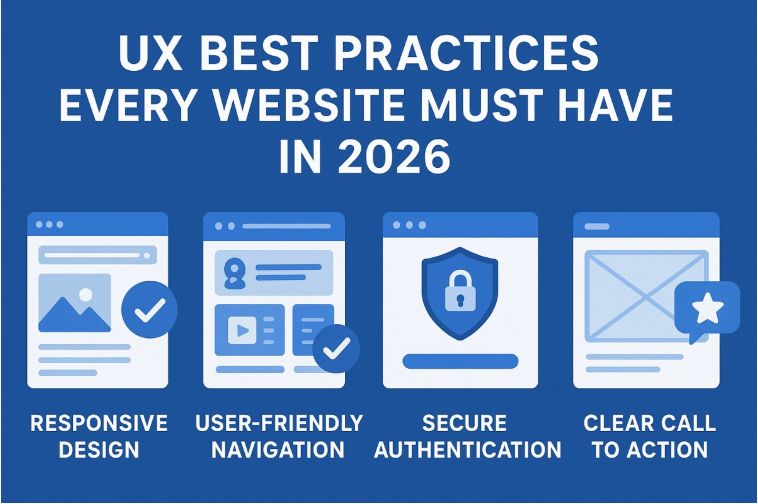
Website Development Best Practices for Better Conversions in 2026 In 2026, having a website is no longer enough. Businesses must focus on creating high‑performing, conversion‑driven websites that deliver exceptional user experiences while meeting modern technical and marketing standards. A website should not only look good but also guide visitors smoothly toward meaningful actions—whether that’s making a purchase, filling out a form, or contacting your business. At Go Link Media, we believe website development should be built around performance, usability, and business growth. This guide explores the best website development practices for better conversions in 2026, helping businesses stay competitive in an evolving digital landscape. 1. User‑First Design Is Non‑Negotiable User experience (UX) remains the foundation of high‑converting websites. In 2026, websites must be designed with real user behavior in mind, not just aesthetics. Key UX principles include: Clear navigation with minimal clicks Logical content hierarchy Easily visible calls‑to‑action (CTAs) Simple layouts that reduce cognitive load A user‑first approach ensures visitors quickly understand what your business offers and how to take action. 2. Mobile‑First Development Is the Standard With mobile traffic dominating global web usage, mobile‑first development is no longer optional. Google continues to prioritize mobile performance when ranking websites. Best practices include: Responsive layouts that adapt to all screen sizes Fast mobile loading times Touch‑friendly buttons and forms Optimized images and fonts Websites developed by Go Link Media focus on seamless performance across mobile, tablet, and desktop to maximize conversions. 3. Website Speed Directly Impacts Conversions In 2026, users expect instant results. Even a one‑second delay can significantly reduce conversion rates. To improve speed: Use optimized images and next‑gen formats Minimize CSS and JavaScript files Implement browser caching Choose reliable hosting Fast websites not only convert better but also perform stronger in search engine rankings. 4. Clear Value Proposition Above the Fold Visitors decide within seconds whether to stay on a website. Your value proposition must be clear immediately. Above‑the‑fold content should answer: What do you offer? Who is it for? Why should users choose you? A strong headline, supportive subtext, and a clear CTA help capture attention and guide users toward conversion. 5. Conversion‑Focused Call‑to‑Action (CTA) Strategy CTAs are critical for guiding user behavior. In 2026, effective CTAs are contextual, visually distinct, and action‑oriented. Examples include: “Get a Free Quote” “Book a Consultation” “Start Your Project Today” Strategically placing CTAs throughout the website—without overwhelming users—significantly increases conversion opportunities. 6. Simplified Forms for Higher Completion Rates Long or complex forms discourage users. Modern websites focus on minimal, user‑friendly forms. Best practices: Ask only for essential information Use smart form validation Break long forms into steps if needed Clearly state what happens after submission Simpler forms lead to higher engagement and better lead generation. 7. Trust Signals Build Confidence and Credibility Trust plays a major role in conversion decisions. In 2026, users are more cautious and expect transparency. Effective trust elements include: Client testimonials and reviews Case studies and success stories Security badges and SSL certificates Clear privacy and data protection policies Websites developed by Go Link Media integrate trust signals naturally to increase credibility and user confidence. 8. SEO‑Friendly Website Architecture A high‑converting website must also be discoverable. SEO‑friendly development ensures your site attracts the right traffic. Key elements include: Clean URL structures Proper heading hierarchy Optimized page titles and meta descriptions Fast crawlability for search engines SEO and website development must work together to drive both traffic and conversions. 9. AI‑Powered Personalization In 2026, personalization is becoming a key differentiator. AI‑driven personalization helps deliver relevant content to different users based on behavior, location, or intent. Examples include: Dynamic CTAs Personalized content recommendations Smart chatbots for instant support Personalized experiences increase engagement and significantly improve conversion rates. 10. Accessibility Is Essential, Not Optional Web accessibility is both a legal and ethical requirement in many regions. Accessible websites also perform better for all users. Best practices include: Readable font sizes and contrast Keyboard navigation support Alt text for images Clear form labels Accessibility improves usability while expanding your potential audience. 11. Integrated Analytics and Conversion Tracking Data‑driven decisions are essential for continuous improvement. In 2026, websites must be built with analytics in mind from day one. Track metrics such as: User behavior and engagement Conversion paths Drop‑off points Page performance At Go Link Media, conversion tracking is integrated into website development to ensure ongoing optimization. 12. Secure and Scalable Website Infrastructure Security is a top concern for users and search engines alike. A secure website builds trust and protects sensitive data. Key security practices: HTTPS encryption Regular updates and patches Secure hosting environments Backup and recovery systems Scalability ensures your website can grow as your business expands. 13. Content That Educates and Converts High‑quality content remains one of the strongest conversion drivers. Content should educate, address pain points, and guide users toward solutions. Effective content includes: Clear service explanations FAQs Blogs and guides Visual content like videos and infographics Content strategy should always align with user intent and business goals. 14. Seamless Integration with Marketing Tools Modern websites must integrate smoothly with marketing tools such as: CRM systems Email marketing platforms Analytics and heat‑mapping tools Automation software These integrations streamline lead management and improve marketing efficiency. 15. Continuous Testing and Optimization A website is never truly “finished.” In 2026, continuous testing is essential for staying competitive. Key optimization practices: A/B testing layouts and CTAs Monitoring user behavior Updating content regularly Improving performance based on insights Ongoing optimization ensures your website continues to convert effectively over time. Why Conversion‑Focused Development Matters in 2026 As competition increases online, businesses can no longer rely on traffic alone. A conversion‑focused website helps: Maximize ROI Reduce marketing costs Improve customer experience Drive sustainable growth By following these best practices, businesses position themselves for long‑term success. Final Thoughts Website development in 2026 is about more than design—it’s about strategy, performance, and conversions. Businesses that invest in user‑centric, fast, secure, and optimized websites will consistently outperform competitors. At Go Link Media, we focus on building websites that don’t just look good—but convert visitors into customers. By applying these best practices,