
Why PPC Mistakes Cost Businesses Thousands (And How to Stop the Bleeding)
Pay-per-click advertising has become an essential pillar of digital marketing, offering businesses a highly measurable way to reach their audiences. When executed effectively, PPC can drive sales, increase leads, and elevate overall brand visibility. However, most PPC campaigns underperform due to preventable mistakes that drain budgets and deliver poor ROI.
According to industry data, businesses implementing proper PPC strategies report:
- 40-60% reduction in wasted ad spend
- 50% higher conversion rates
- 30% lower cost-per-acquisition
- 45% improvement in return on ad spend
Here are the 10 most common PPC mistakes that could be draining your budget right now, and exactly how to fix them.
1. Poor Keyword Targeting & Negative Keyword Neglect
The Mistake:
Using broad match keywords without proper negative keyword management is like throwing money into a black hole. Your ads appear for irrelevant searches, attracting clicks from people who will never convert. A 2024 study found that over 76% of typical Google Ads budgets were wasted on searches that never convert.
The Fix:
- Use intent-driven, long-tail keywords that deliver higher quality traffic
- Implement negative keywords to filter out irrelevant searches
- Regularly review search terms reports weekly to identify and block poor-performing queries
- Balance match types – use modified broad match or phrase match instead of pure broad match
Pro Tip: For a restaurant, negative keywords might include “recipes,” “DIY,” or “free” to avoid attracting people who want to cook at home rather than dine out.
2. Lack of Audience Segmentation & Targeting

The Mistake:
Treating all audiences the same with generic messaging. Without proper segmentation, you’re missing opportunities to connect with specific demographics, locations, or income brackets most likely to convert.
The Fix:
- Create detailed audience segments based on demographics, behaviors, and interests
- Develop personalized ad copy for each segment
- Prioritize remarketing to warm leads who have already shown interest
- Use audience exclusions to avoid wasting budget on unlikely converters
Real Example: A home improvement contractor might create separate campaigns for “window replacement,” “roofing services,” and “siding installation” with tailored messaging for each service.
3. Weak Ad Copy & Missing Value Propositions
The Mistake:
Generic, uninspiring ad copy that fails to communicate unique value or compel action. Without clear USPs and strong CTAs, even perfectly targeted ads will underperform.
The Fix:
- Highlight unique benefits rather than just features
- Include strong, action-oriented CTAs like “Get Free Quote Today” or “Shop Now with Free Shipping”
- A/B test multiple variations of headlines and descriptions
- Use emotional triggers and pain-point addressing language
- Incorporate numbers and statistics when possible for credibility
Conversion Boost: Adding “Free Shipping” or “Limited Time Offer” to ad copy can increase CTR by up to 25%.
4. Ignoring Landing Page Experience
The Mistake:
Sending paid traffic to generic, slow-loading, or mobile-unfriendly landing pages. This creates a disconnect between ad promise and page experience, leading to high bounce rates and wasted ad spend.
The Fix:
- Ensure landing pages match ad intent exactly
- Optimize page load speed (aim for under 3 seconds)
- Implement mobile-first design with responsive layouts
- Create clear paths to conversion with minimal friction
- Use consistent messaging from ad to landing page
Critical Stat: Pages that load in 1-3 seconds have 32% lower bounce rates than those taking 5+ seconds.
5. Poor Budget Management & Allocation
The Mistake:
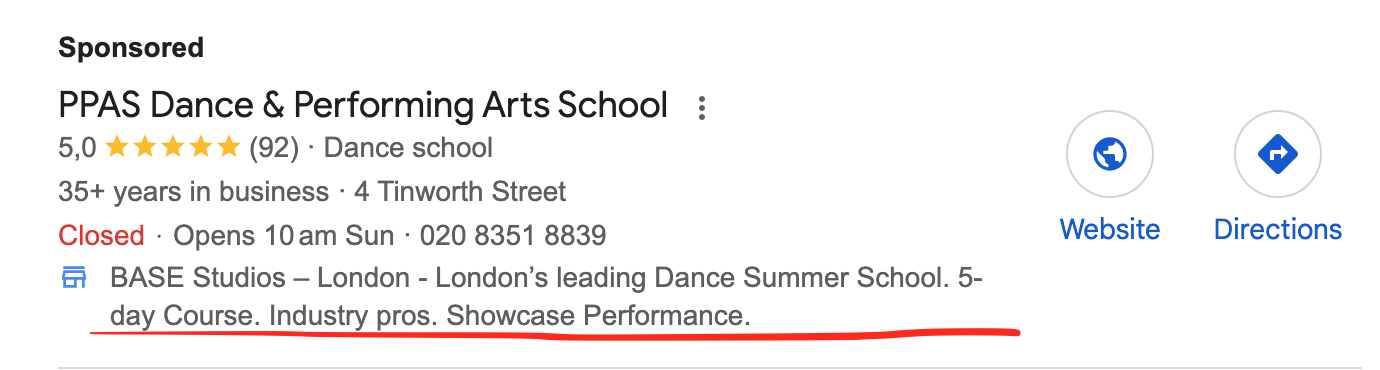
Either overspending on underperforming campaigns or setting budgets too low to generate meaningful results. Without strategic allocation, you’re either wasting money or missing opportunities.
The Fix:
- Use the formula: Budget = Target CPA × Desired Conversions × Safety Margin
- Distribute budget based on performance – more to winners, less to losers
- Regularly review key metrics like CPA, CTR, and ROAS
- Adjust bids based on time of day, device, or location performance
- Set realistic expectations – don’t expect immediate ROI
Smart Approach: Start with smaller test budgets, then scale what works while cutting what doesn’t.
6. Neglecting Mobile Optimization

The Mistake:
Failing to optimize for mobile users, who now represent the majority of PPC clicks. Tiny buttons, slow loading times, and poor mobile experiences destroy conversion rates.
The Fix:
- Use mobile-first responsive design
- Test all landing pages on multiple mobile devices
- Create mobile-specific ad extensions like click-to-call
- Adjust bids for mobile performance (often lower than desktop)
- Simplify forms for mobile completion
Mobile Reality: Over 60% of PPC clicks now come from mobile devices, making optimization non-negotiable.
7. “Set It and Forget It” Mentality

The Mistake:
Launching campaigns then ignoring them for weeks or months. PPC requires constant monitoring and optimization to maintain performance as competition, algorithms, and user behavior change.
The Fix:
- Schedule weekly campaign reviews
- Set up performance alerts for significant changes
- Continuously test new ad copy, keywords, and landing pages
- Stay updated on platform changes and new features
- Regularly audit account structure for optimization opportunities
Maintenance Rhythm: Successful PPC managers spend at least 2-3 hours weekly per active campaign on optimization.
8. Inadequate Conversion Tracking

The Mistake:
Not properly tracking what matters – conversions. Without conversion data, you’re flying blind, unable to determine which campaigns, keywords, or ads actually drive business results.
The Fix:
- Set up Google Ads conversion tracking properly
- Track meaningful actions – purchases, form fills, calls, etc.
- Use Google Analytics for additional insights
- Implement value tracking for revenue-based bidding
- Regularly verify tracking is working correctly
Tracking Priority: If you’re not tracking conversions, you’re not doing PPC – you’re just spending money.
9. Overlooking Audience Segmentation Opportunities

The Mistake:
Running ads without leveraging advanced audience targeting options like remarketing, custom audiences, or similar audiences. This leaves significant conversion opportunities untapped.
The Fix:
- Implement remarketing campaigns for past visitors
- Use custom intent audiences for prospecting
- Create similar audiences based on your best converters
- Layer audience targeting with keyword targeting
- Exclude existing customers from acquisition campaigns
Audience Power: Remarketing audiences typically convert at 3-5x higher rates than cold audiences.
10. Choosing the Wrong Campaign Strategy
The Mistake:
Using only one campaign type (usually Search) without diversifying across platforms and formats. Different goals require different strategies – what works for brand awareness won’t necessarily work for direct response.
The Fix:
- Diversify across campaign types: Search, Display, Video, Shopping, Discovery
- Use Performance Max campaigns for full-funnel coverage
- Match campaign type to business objectives
- Test new campaign types regularly
- Allocate budget based on performance by campaign type
Strategic Mix: Most successful advertisers use 3-5 different campaign types simultaneously for complete coverage.
Implementing Your PPC Recovery Plan
Fixing these common mistakes requires a systematic approach. Start with an honest audit of your current campaigns using this checklist:
- Review search terms reports for negative keyword opportunities
- Analyze audience performance by segment
- Test new ad copy variations with clear CTAs
- Optimize landing pages for speed and relevance
- Adjust budgets based on performance data
- Verify conversion tracking is working properly
- Implement mobile optimization changes
- Set up regular monitoring schedules
- Explore new audience targeting options
- Diversify campaign types for full-funnel coverage
The most successful PPC advertisers aren’t necessarily the ones with the biggest budgets – they’re the ones who avoid these common mistakes and continuously optimize based on data. By addressing these areas, you can transform your PPC performance from budget-draining to profit-generating.
Remember: PPC success isn’t about perfection – it’s about continuous improvement. Start fixing one mistake at a time, and watch your ROI climb steadily upward.